A hard place to land: Dancing on concrete
Our take
## Our Take: Beyond the Applause – Protecting Our Dancers
The image is idyllic: a vibrant spring day, a community gathering, and dancers captivating an audience with their artistry. It's the kind of scene that celebrates the power and beauty of movement, and rightly so. However, as Dance Informa Magazine’s article, A hard place to land: Dancing on concrete rightly points out, a seemingly perfect moment can mask a serious risk. The simple fact of performing on concrete, while sometimes unavoidable, presents a significant threat to dancers' physical well-being, both in terms of immediate injury and long-term wear and tear. This isn’t just a concern for professional dancers; it impacts anyone who dedicates themselves to movement, from recreational enthusiasts to students honing their craft. It’s a reminder that our passion for dance must be balanced with a commitment to safety and responsible practice, a value reinforced by organizations like Dance/USA, as highlighted in their announcement regarding the conclusion of Fellowships to Artists program, which underscores the ongoing need for support and resources within the dance community.
The issue is more than just a matter of discomfort; it's about the cumulative impact of constant jarring and impact. Concrete offers virtually no give, meaning every jump, every turn, every landing transmits force directly into the dancer's joints – ankles, knees, hips, and spine. As someone who uses a pole as a vital part of my routine, I understand the importance of a supportive surface. It’s about control, precision, and minimizing strain. While I might be known for embracing a little sass and confidence while performing, even *I* know that neglecting proper preparation and support can lead to injury. The demands of dance, especially styles involving high impact or intricate floorwork, are already significant. Adding the unforgiving nature of concrete amplifies those demands exponentially. It’s a frustrating reality for dancers who often find themselves in situations where alternative flooring isn’t available, particularly during outdoor performances or community events. L’Alliance New York’s Crossing The Line Festival showcases the dedication and artistry within the dance world, and it's crucial that such events prioritize dancer safety alongside artistic expression.
This situation highlights a larger conversation about the responsibility we all share in creating safer dance environments. It’s not just the dancers’ responsibility to protect themselves; it’s the responsibility of event organizers, studio owners, and even the communities that support dance to advocate for appropriate surfaces. Portable sprung floors, even temporary mats, can make a world of difference. We need to shift the narrative away from simply appreciating the *performance* to actively safeguarding the *performers*. As a woman who balances the roles of a stay-at-home mom, a dancer, and a fitness enthusiast, I firmly believe that looking good and feeling strong go hand-in-hand. But that strength isn't just about aesthetics; it's about resilience, longevity, and the ability to continue doing what you love. Compromising a dancer’s physical well-being for the sake of a picturesque setting is simply unacceptable.
Ultimately, the article serves as a vital call to action. It’s a reminder that the beauty of dance shouldn't come at the expense of the dancers themselves. Moving forward, it’s essential that we prioritize dancer safety, advocate for better resources, and foster a culture of awareness within the dance community. How can we, as a collective, ensure that the joy of dance remains accessible and sustainable for generations to come, without sacrificing the well-being of those who dedicate their lives to it? That's the question we need to be asking, and acting upon, now.
A gorgeous spring day, dancers are performing for the community in a park, the audience is cheering and everyone is having a lovely time: what a wonderful scene! There’s only one problem with it, one many people may not recognize – the dancers are performing on concrete. That increases their risk for injury (both acute, or sudden, and overuse, wear-and-tear over time).
Dancers might find themselves in situations when there is no other option but to dance on concrete. Yet, learning more about why it’s dangerous, as well as ways to reduce the potential damage, could mean that these situations happen less often and are less harmful when they do. Dance Informa speaks with Dr. Emily Love, Director of Physical Therapy at Oklahoma City Ballet, in order to pass on that knowledge.
Chief among these harm-mitigation strategies are portable floors, those that are designed to support dancer health and safety in just those sorts of outdoor dancing situations. Stagestep has a variety of these floors for sale: lightweight, easy to transport and versatile. And now, take it away, Dr. Love!
Is dancing on concrete dangerous?
“Dancing on concrete is dangerous for a handful of reasons. The main reason is that concrete has zero give and provides no shock absorption; all the impact forces during dancing will travel directly through the dancer’s feet, ankles, shins, knees, hips and low back. The dancer will have to rely solely on their own muscles, tendons, bones, and joints to absorb and manage the impact.
Secondly, concrete often has inconsistencies in its texture. This can increase friction on the surface for the dancer to navigate depending on the type of shoes that they are wearing, or there may be cracks or divots in the concrete that can contribute to instability.”
In your practice, have you seen instances of injury (acute or overuse) from dancing on concrete? Is there anything that can be done, clinically speaking, at that point? (Things happen!)
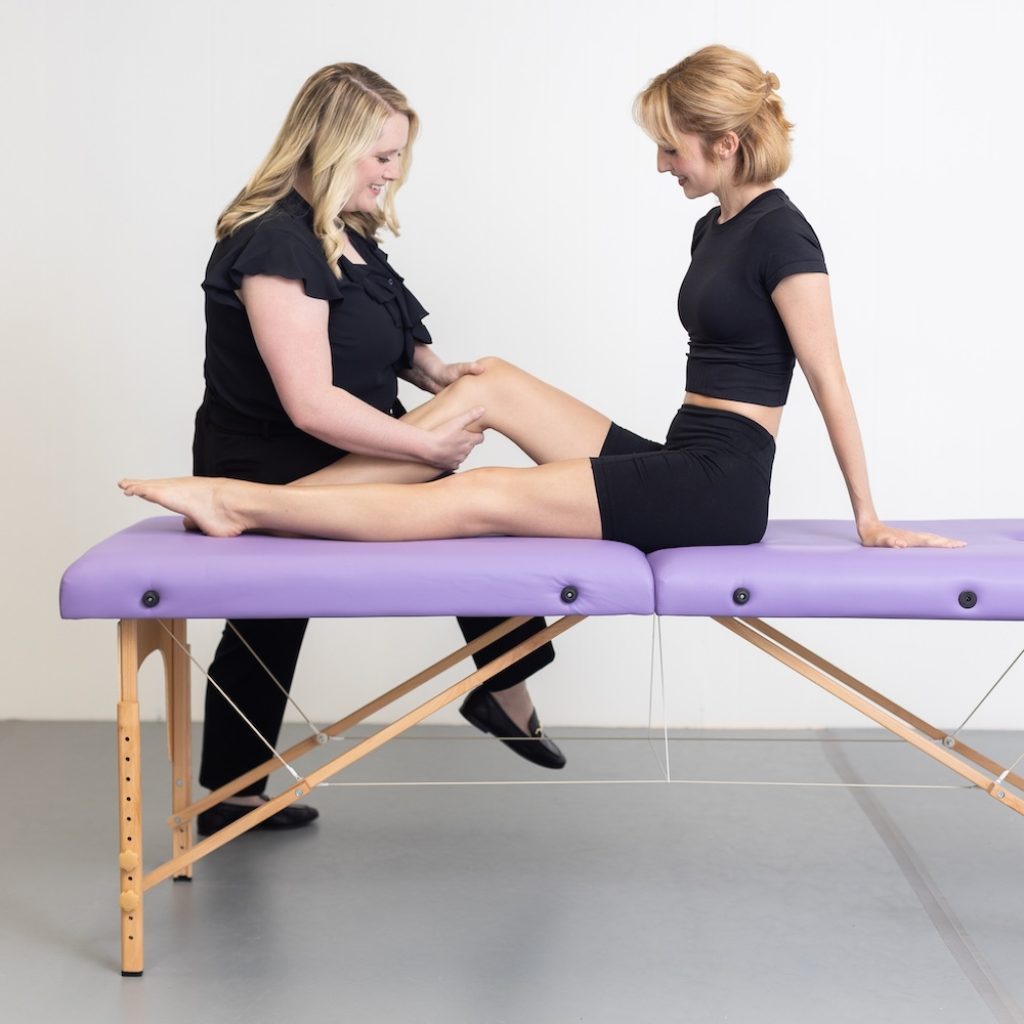
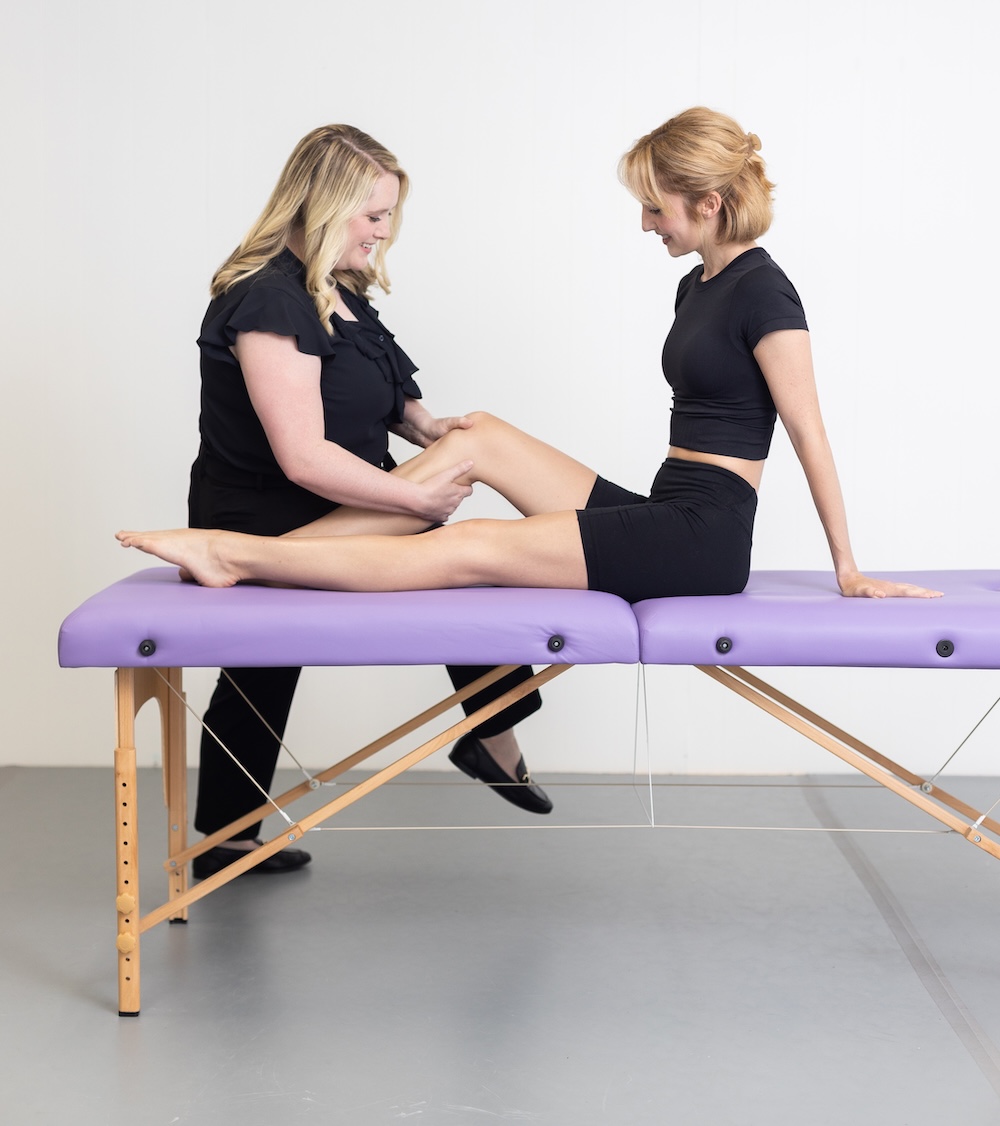
“Yes, I have seen instances of injury from dancing on concrete. Acute injuries include stress fractures from repetitive impact, ankle sprains from cracks/divots, and bone bruising on the heel bone from landing on a hard surface. Chronic injuries include shin splints, plantar fasciitis and low back pain.
If any injuries do occur from dancing on concrete, I would recommend implementing injury management principles such as rest, protection, compression, ice and optimal loading techniques.”
When dancing on concrete occurs, it’s likely in cases of site-based performances, classes, and other events linked to community outreach, the like. What sorts of preventive measures can dancers, administrators, et cetera implement in these cases (for example, portable dance floors)? In such cases, what should dancers be aware of and, if possible, do for personal safety?
“For preventative measures, I would recommend a portable dance floor that offers some shock absorption even if it is not as much as the dancer is used to in the studio. I would also recommend adjusting rehearsal times when possible to give appropriate rest breaks and avoid high repetition of jumps and higher impact movements during rehearsals in order to reserve energy and intensity for performances.
Additionally, I would limit consecutive days of rehearsals on hard surfaces. Things that dancers can do to prepare for rehearsals and performances on concrete include wearing shoes with adequate shock absorption whenever possible, focus on landing mechanics with proper alignment and ‘softer’ landings, and prioritizing soft tissue mobilization with rolling out and stretching.
I always advocate for dancers to listen to their bodies. Early aches and pains should be warning signs for a dancer to address soon, instead of waiting for it to become a full blown injury.
It is also important to think about the overall volume of dancing on concrete between rehearsals and performances and knowing when to prioritize more impactful movements during a performance and reducing repetitions/volume during rehearsals, when possible. Lastly, safety should be prioritized for dancer longevity and not sacrificed for budget purposes.”
To shop portable dance floors and more, visit stagestep.com.
By Kathryn Boland of Dance Informa.
Sponsored content.
The post A hard place to land: Dancing on concrete appeared first on Dance Informa Magazine.
Read on the original site
Open the publisher's page for the full experience