Dutch National Ballet: A technical and artistic treat
Our take
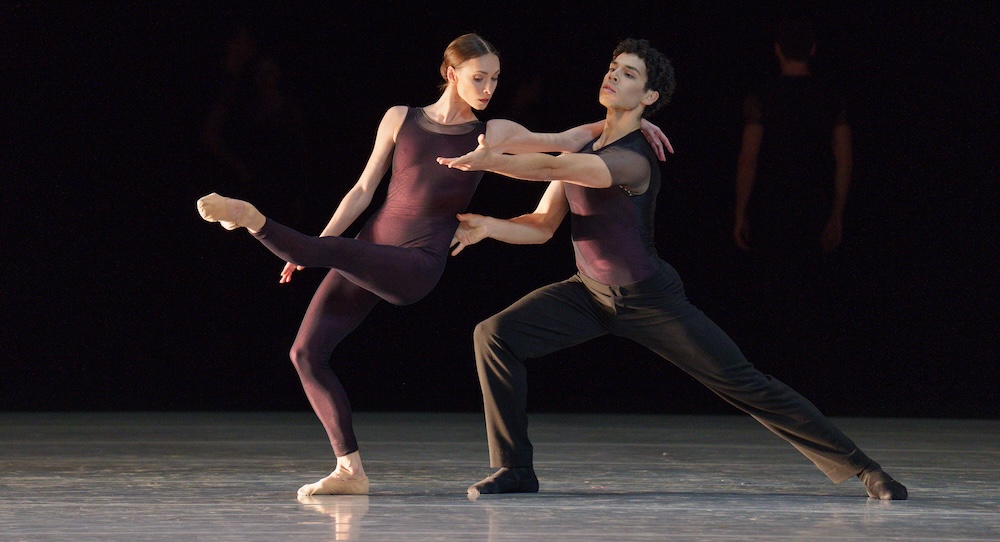
The recent return of the Dutch National Ballet to New York City Center after a 43-year hiatus marks more than just a significant comeback; it signifies a cultural renaissance that enriches the artistic tapestry of the city. Through performances that showcase both classical and contemporary ballet, including works like Adagio Hammerklavier and 5 Tangos, the company offers a rare glimpse into the evolution of ballet as an art form. This evolution is not merely technical but deeply emotional, resonating with audiences in ways that transcend traditional expectations. As seen in other performances around the city, such as New York City Ballet’s ‘Contemporary Choreography II’: Beauty, humanity and art, the modern ballet scene thrives on the intermingling of artistry and human experience, creating a dialogue that is both intimate and expansive.
One aspect that stands out in the Dutch National Ballet’s presentation is the meticulous craftsmanship involved in executing complex choreography. For instance, Hans van Manen's Adagio Hammerklavier captures the essence of slowness, transforming what could be a simplistic interpretation into a layered spectacle of movement and emotion. The way the dancers navigate the space with such grace and control serves as a reminder of the technical prowess that underpins ballet. This performance not only challenges the dancers but also invites the audience to engage in a deeper contemplation of what it means to appreciate art. The juxtaposition of the serene and the spectacular offers a refreshing lens through which we can evaluate our expectations of theatrical performances. This theme of artistic exploration resonates with other recent works, such as those featured in New York City Ballet’s ‘Contemporary Choreography II’, emphasizing the transformative power of dance.
Moreover, the inclusion of international choreographers like Mthuthuzeli November and Jiří Kylián in the program reflects the rich diversity of contemporary ballet and its ability to address various cultural narratives. This is significant for audiences who are increasingly seeking representation and connection in the arts. The performance of Thando, for instance, is not only a technical showcase but also serves as a narrative that speaks to the broader socio-political landscape, making the art form relevant in today's context. This shift towards inclusivity in ballet is crucial, as it invites a wider array of voices and stories to the forefront, encouraging a more comprehensive understanding of what ballet can represent now.
As we look ahead, the return of the Dutch National Ballet prompts us to consider the future of ballet in America and beyond. Will this resurgence inspire more international companies to present their work in the U.S., expanding the cultural dialogue around dance? The Dutch National Ballet's visit challenges us to reflect on our perceptions of ballet and its role in our lives. It raises a pertinent question: how can we, as audiences, continue to engage with and support the evolving nature of this art form while fostering a community that values diverse expressions? The conversation around ballet is evolving, and it is exciting to envision how this will shape the future of performance art.
In a world where self-expression and body positivity take center stage, the essence of dance—be it ballet or contemporary forms—remains a powerful medium for individuals to connect with their inner selves and with others. The Dutch National Ballet’s return serves as a reminder that art, in its many forms, has the potential to inspire change, foster understanding, and ignite passion within us all.
New York City Center, New York, NY.
November 22, 2025.
Dutch National Ballet returned to New York City Center in November, after a 43-year absence from presenting work. Over the course of the four performances, the company showed two programs. On the eve of my attendance, they danced Program B, consisting of Adagio Hammerklavier (Hans van Manen), Thando (Mthuthuzeli November), Wings of Wax (Jiří Kylián), and 5 Tangos (Hans van Manen). A stacked evening of contemporary ballet lie ahead.
The acclaimed work of Adagio Hammerklavier by Manen honors the true idea of adagio, the perpetual slowness that unfolds without spectacle, until you realize it’s all been spectacle. The virtuosity of adagio is the calm with which it’s executed, and the technique required to do so.
The marriage of the understated (yet far from simple) choreography to the exquisitely clean technique from the dancers was a joy to watch. In such capacities, watching the true complexities of adagio, such as a simple développé à la second as a thing of a thousand parts, each displayed for examination, is a thrill of a slow burn.
In a striking departure, the duet Thando takes us on a much different ride through the complexities of human relationships. It was exciting and crisp, danced in gold costumes. There was a sharp musicality to dancing, perhaps because the composition was also by November, giving both the music and the choreography some insight into each other. I particularly enjoyed the sense of aggressive female movement that seemed driven by a quiet power.
In Wings of Wax, the curtain opened to a large leafless tree suspend upside-down from the ceiling. Industrial side lights illuminated the stage, adding to the sense of starkness, and a slowly traveling light rotated around the tree throughout the dance. It was a muted surrealism. The work was abstract in that I couldn’t grab onto a feeling, but I also couldn’t zone out. Again, the technical brilliance of the dancers buoyed the choreography – not to say the choreography was subpar, because it was not. Although I couldn’t fully buy into the world, I sure enjoyed window shopping.
Lastly, another Manen work, 5 Tangos. It was clean, it was lovely, and it was well executed (of course). To me, it lacked some of the messy passion associated with the tango and I’m generally less interested in the soemthing-else-but-make-it-ballet approach to dances, but it was easy to take it. Swapping program positions with Wings of Wax may have elevated each in their own rite, as 5 Tangos felt a little conservative with which to end the night. That said, watching the dancers of Dutch National Ballet do any of these dances was a technical and artistic treat I’ll not soon forget.
By Emily Sarkissian of Dance Informa.
The post Dutch National Ballet: A technical and artistic treat appeared first on Dance Informa Magazine.
Read on the original site
Open the publisher's page for the full experience