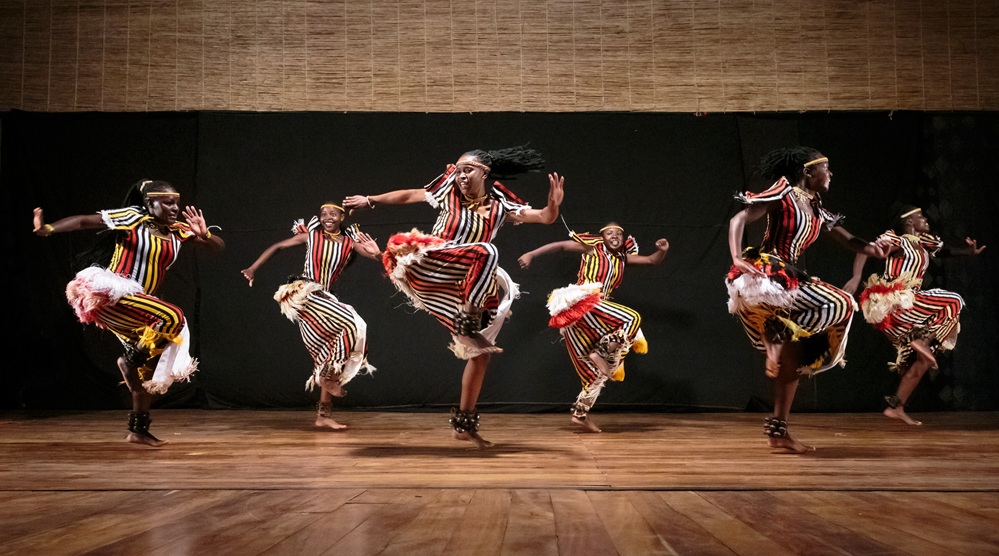
The announcement of BAM’s complete program for DanceAfrica 2026 is more than a calendar update; it is a reaffirmation of Brooklyn’s role as a cultural crucible where African, Caribbean, and African‑American traditions are not only preserved but actively reimagined. The festival’s 49‑year legacy has already woven itself into the fabric of the neighborhood, turning the streets around BAM into a living museum of dance, fashion, food, and storytelling. This year’s lineup, centered around the headline series in the Howard Gilman Opera House, promises to elevate that legacy even further by spotlighting emerging voices alongside established luminaries. The significance of this event for our readers extends beyond the dance community; it speaks to the power of embodied expression as a vehicle for empowerment, body positivity, and community cohesion.
In a city that constantly reinvents itself, DanceAfrica 2026 serves as a beacon of cultural continuity and innovation. By featuring performances that span a wide spectrum—from traditional Ghanaian dance to contemporary African‑American choreography—it challenges the often narrow narratives that dominate mainstream dance programming. The festival’s inclusive ethos aligns with broader movements that celebrate diverse bodies and bodies of all shapes, sizes, and ages. For stay‑at‑home moms, fitness enthusiasts, and anyone who believes that feeling good starts with looking good, DanceAfrica offers a visceral reminder that movement is a form of self‑care. As a professional strip‑tease dancer and fitness guru, I can attest that the confidence gained from mastering a pole routine translates into a radiant self‑image that permeates everyday life. The festival’s celebration of strength, rhythm, and sensuality underscores the idea that fitness is not just about the body, but about cultivating joy, confidence, and connection.
The broader implications for the dance and fitness communities are profound. DanceAfrica’s expansive program encourages cross‑disciplinary collaboration, inviting artists to experiment with new forms and technologies. The festival’s partnership with local vendors and cultural institutions creates a vibrant ecosystem that supports artists economically while enriching the community culturally. Moreover, the emphasis on body positivity and self‑expression aligns with current trends in wellness that prioritize mental health, self‑acceptance, and holistic well‑being. By positioning dance as a conduit for personal transformation, DanceAfrica challenges the stereotype that dance is purely a performance art and instead frames it as a daily practice that can enhance physical health, emotional resilience, and social belonging.
Looking ahead, the success of DanceAfrica 2026 could inspire similar initiatives in other boroughs, fostering a national network of culturally grounded dance festivals. It also raises an important question for the future: How will the evolving landscape of digital media and virtual reality reshape the way we experience and participate in live dance events? As we celebrate the rich tapestry of African and diasporic dance this Memorial Day weekend, let us also commit to nurturing the spaces—both physical and virtual—where bodies can move freely, feel empowered, and celebrate their unique stories.