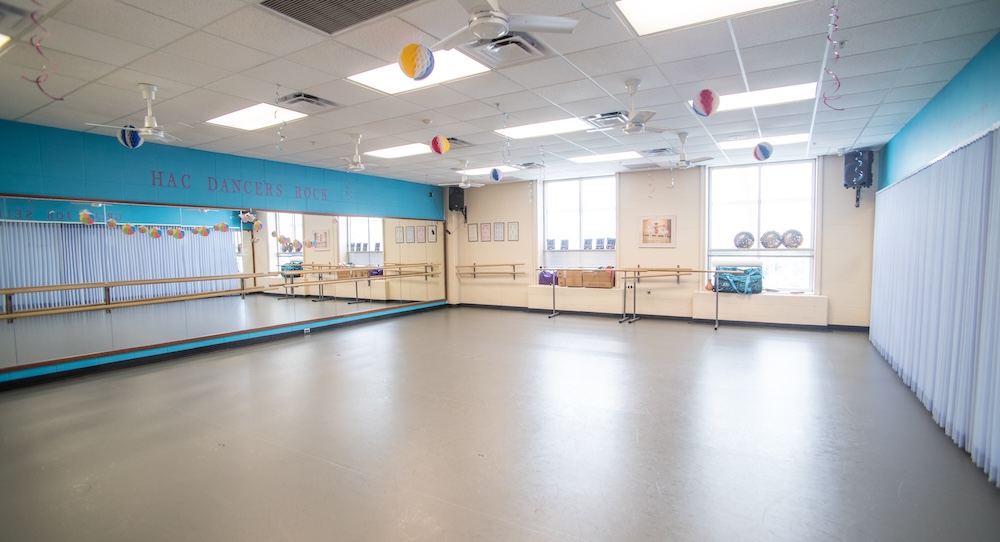
Let's talk about the floor beneath your feet, because darling, that surface is doing a lot more than catching your sweat. It's the silent partner in every turn, every drop, every moment you push past your edge and feel that rush of "I did that." So when Gerriets, a name that's been in the performing arts game for decades, starts breaking down their Marley options, we lean in. Not because flooring sounds thrilling, but because choosing the right one is a form of self-love for your space. And let's be honest, if you've ever danced on a floor that grabbed your knee wrong or felt like a slip-n-slide, you know the right surface isn't a luxury. It's the difference between feeling fierce and feeling fragile.
The article gets to the heart of it: Marley is a must, but "which one" is the real question. Bill Brown and Molly Sugg from Gerriets point to "years of real-world feedback" as their secret sauce, and that resonates with us on a deeply practical level. This isn't about chasing some unattainable ideal of perfection. It's about matching the floor to *your* truth, your studio's square footage, the styles of dance you teach, the bodies that move through your space every day. Maybe you need something with a little more slip for turns, or something with more grip for barefoot work and contemporary lines. The point is, there's no one-size-fits-all answer, and anyone who tells you otherwise is selling you a dream, not a solution. We'd tell a reader this: don't just buy the most expensive roll because it sounds impressive. Buy the one that lets your students land safely, move expressively, and walk out feeling powerful, not beaten up.
This conversation reminds us of other artists making bold choices about their spaces and their voices. Just like Seen, Supported, and Strong: Adia Anselmi's NYC Performance Explores Connection shows how a performer creates intimacy in a specific venue, or how Chicago Dance Company Celebrates New Works and Rising Talent in 2026-27 Season builds a season around versatility, your floor choice is a creative decision. It shapes the work you can make. And when Martha Graham Dance Company Finds New Home, Inspires in Times Square steps into a brand new space, you better believe they thought about what surface would honor their legacy while supporting new work. It's all connected, the art and the infrastructure.
Here's our honest take, queen: don't sleep on the details. Ask Gerriets the hard questions. What's the wear like after a year of weekly classes? Does it hold up to jazz shoes or only bare feet? What's the cleaning routine, because let's be real, studio floors see things that would make a gym cringe. The practical takeaway you can quote: the best Marley isn't the one with the fanciest name, it's the one that makes your dancers feel unstoppable from the first plié to the final bow. So go ahead, get specific, get curious, and get the floor that lets you radiate. Because when your foundation is solid, you're free to fly. And we'll be watching to see which finish becomes your signature.