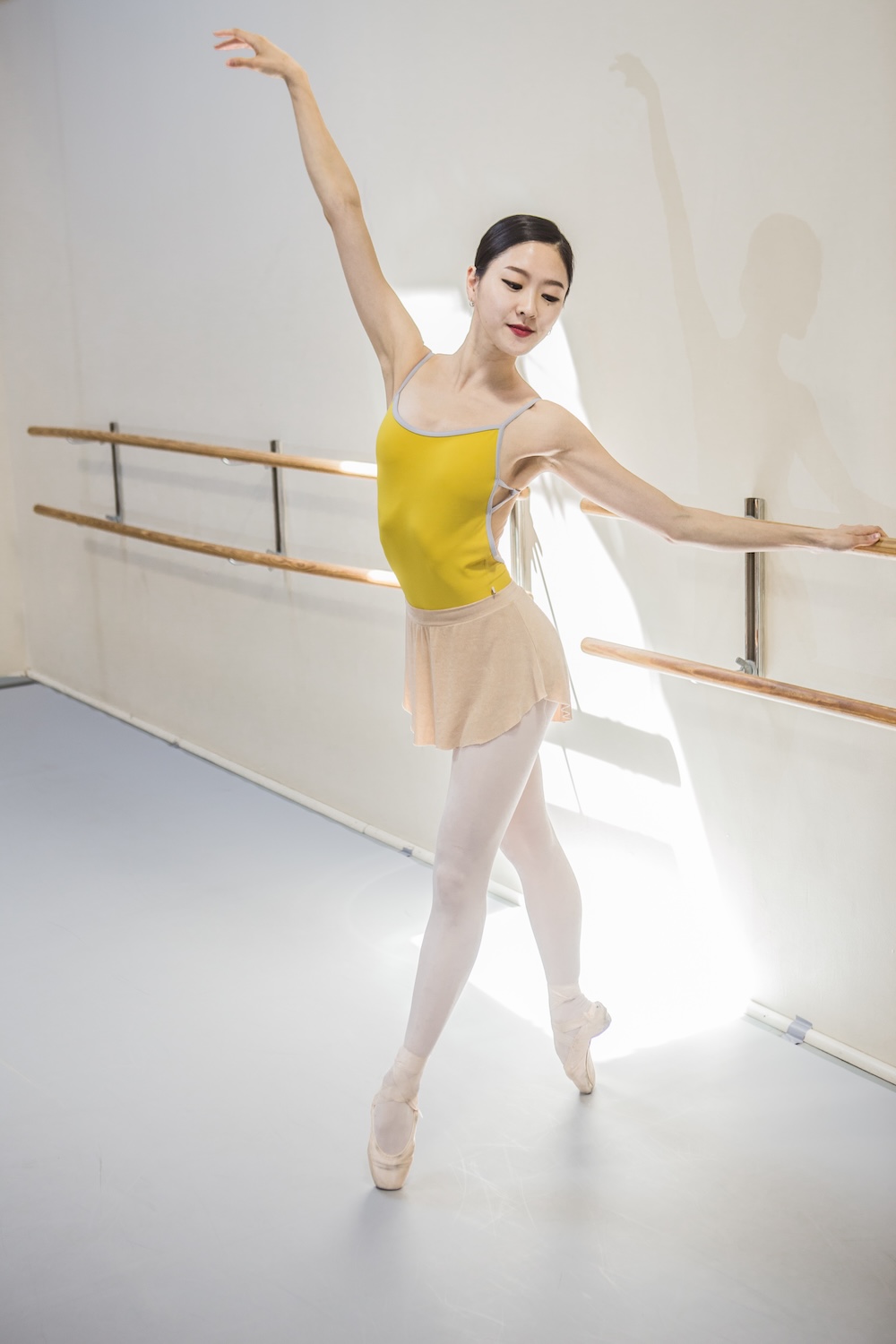
## Our Take: Investing in the Foundation – Dance Floors and the Bigger Picture Dance Informa Magazine's recent piece on dance floor cleaning and maintenance hits on a surprisingly profound point: the longevity of our spaces directly impacts the health and artistry of our dancers. It’s so easy to get caught up in perfecting choreography, securing funding, or promoting upcoming performances, as highlighted in the recent article [Joy and humor in concert dance: Boston Ballet’s 2026 ‘Spring Experience’] – a reminder of the artistic ambition we constantly strive for – that the essential infrastructure can sometimes be overlooked. A well-maintained floor isn't just about aesthetics; it's a crucial component of injury prevention, performance quality, and the overall well-being of everyone who sets foot on it. Think about it: we, as dancers, spend countless hours pushing our bodies, building strength and flexibility, honing our skills, and creating art. Shouldn’t the very surface we perform on receive the same level of care and attention? I know, as someone who spends a significant portion of my time utilizing a pole for fitness and expression, that the stability and quality of your equipment directly affects your performance and safety. A dance floor is no different. The article correctly points out the significant financial investment studios make in their floors. It’s not an expense to be shrugged off. It's an investment in the dancers’ physical health and the studio’s reputation. A slippery, uneven, or simply dirty floor can lead to strains, sprains, and more serious injuries. Beyond the physical, consider the psychological impact. Dancers need to feel confident and secure in their environment. Knowing the floor is properly maintained fosters that sense of confidence, allowing them to fully immerse themselves in the process and push their boundaries. This is especially relevant when considering the demands placed on dancers today, as evidenced by the exciting lineup at the [Lake Tahoe Dance Festival 2026]. Ensuring a safe and supportive environment is paramount to nurturing talent and fostering artistic growth. The stability of a surface allows for greater expression and a deeper connection to the movement. And frankly, from a performer’s perspective, a clean and well-maintained space just *feels* more professional, inspiring a higher level of dedication and performance from everyone involved. It also speaks volumes about the studio’s commitment to its dancers – a message that resonates with students, parents, and potential collaborators alike. The appointment of Lauryn Turner as CEO of DanceOne [Lauryn Turner named CEO of DanceOne to lead next stage of growth] underscores the growing recognition of the importance of strong leadership and investment in the dance community as a whole. But maintenance isn’t just about reactive cleaning; it's about proactive care. Regular inspections, proper cleaning techniques tailored to the specific floor type, and timely repairs are all essential. This requires not just the studio owner's awareness but also the involvement of staff and even dancers. Creating a culture of responsibility, where everyone understands the importance of floor maintenance, can significantly extend the floor’s lifespan and reduce the risk of injuries. It’s a mindset shift – moving away from seeing floor care as a chore to viewing it as an integral part of the dance process, a demonstration of respect for the dancers and their craft. We, as women finding our strength and confidence, understand this concept deeply. Whether it's maintaining our fitness routines, caring for our loved ones, or presenting our best selves to the world, consistent effort and attention to detail yield incredible results. The same principles apply to a dance studio floor. Looking ahead, the increasing focus on sustainability within the dance community will likely drive innovation in dance floor materials and maintenance practices. We may see the emergence of eco-friendly cleaning products, more durable and recyclable floor options, and even smart floor systems that monitor wear and tear and alert studio managers to potential issues. Ultimately, the future of dance spaces hinges on recognizing that a strong foundation – both literally and figuratively – is essential for supporting the artistry, health, and longevity of our dance community.