New research associates dance and positive affect in children and adolescents
Our take
## Our Take: Dancing Our Way to a Brighter Future – For Everyone
This new research from *Frontiers in Psychology*, demonstrating the overwhelmingly positive impact of dance on the mood of children and adolescents, is simply fantastic news. It validates what so many of us who move our bodies regularly already know: that feeling the rhythm, expressing yourself through movement, and connecting with your physicality is a powerful tool for well-being. We’ve always championed the importance of finding joy in fitness, and this study provides concrete, scientific backing for that philosophy. It's wonderful to see this kind of rigorous research supporting what feels intuitively true. As we've highlighted in [Southeast Texas is heating up with Aimed Dance Summer Fest this July], opportunities for joyful movement are vital, especially for young people. And speaking of diverse forms of movement, our piece on [How to Track Fitness Progress Without a Scale: A New Look at Pole Success] demonstrated how focusing on strength and confidence, rather than a number on a scale, can be transformative, a principle equally applicable to children exploring dance. Furthermore, the celebration of artistic expression showcased in [Pushing forward: Revolve Dance Project’s ‘Revolutions’] further amplifies the value of creative outlets for emotional and mental health.
The sheer scale of this study – over 4,000 class sessions – lends significant weight to the findings. 86% of participants reporting maintained or improved mood after class is a truly remarkable statistic. It isn’t just about fleeting happiness; it’s about a sustained, positive shift in emotional state. For too long, fitness has been framed as a chore, something to endure in pursuit of an often unrealistic ideal. This research flips that narrative on its head. Dance, and movement in general, shouldn’t be viewed as a means to an end (a thinner waistline, a more toned physique), but as a valuable end in itself – a source of joy, confidence, and emotional regulation. As a woman who understands the power of feeling strong and sensual through movement, whether it's a pole routine or a simple dance class, I've seen firsthand how it transforms not just the body, but the entire spirit. It’s about owning your space, embracing your curves, and celebrating the incredible vessel that carries you through life. As a mom, I want my children to grow up understanding that their worth isn’t tied to their appearance, but to their ability to express themselves, to feel good in their own skin, and to find joy in the simple act of moving.
The implications of this research extend far beyond the dance studio. It highlights the potential for incorporating movement-based activities into schools, community centers, and even therapeutic settings to support mental health and well-being. Consider the rising rates of anxiety and depression among young people - could dance be a powerful tool in addressing this crisis? It's not about creating a generation of professional dancers; it's about fostering a lifelong love of movement and the emotional benefits that come with it. It's about normalizing the idea that taking care of your mental health can be fun, creative, and empowering. I often tell my clients that feeling beautiful and confident is a state of mind, and movement is a powerful pathway to achieving that state. When we feel good in our bodies, we radiate that confidence outwards, positively impacting every aspect of our lives.
Ultimately, this research reinforces the message that movement is medicine – for the mind, body, and soul. It's a reminder that we all have the power to cultivate joy and resilience through the simple act of moving. Looking ahead, it will be fascinating to see further research exploring the long-term effects of dance participation on mental health and the potential for tailoring movement programs to address specific emotional needs. Will we see dance therapy become a more widely accepted and integrated form of treatment? Will schools prioritize movement and creative expression alongside traditional academic subjects? The possibilities are exciting, and the potential for positive change is immense.
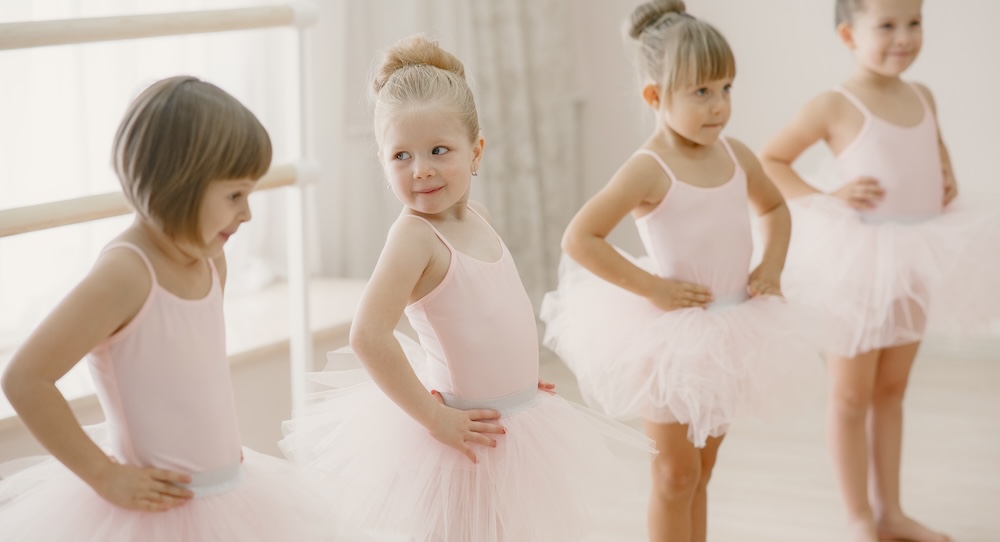
In one of the largest prospective field studies to examine session-level mood change in recreational youth dance, children and adolescents reported maintained or improved mood in roughly 86% of dance classes, according to peer-reviewed research published in Frontiers in Psychology.
Across more than 4,000 class sessions, students’ mood ratings after class were consistently higher than before. Skill level, dance genre, instructor experience, time of day, and day of week made no significant difference to the size of the effect, suggesting the benefit is a general property of well-run dance classes rather than something that requires a specific style, schedule, or instructor.
“What I find incredible is not just that the kids felt better after class. It’s how consistent it was. It didn’t matter what style they danced, how advanced they were, or who was teaching. It showed up for the whole class,” said Tiffany C. Henderson, the study’s lead author, co-founder of Tiffany’s Dance Academy, Twinkle Star Dance Academy, and the non-profit Raising the Barre.
Research began in 2024, as the capstone project of Henderson’s applied positive psychology studies at the University of Pennsylvania, and was conducted in collaboration with faculty members there.
With rising rates of youth anxiety and depression reported internationally and many youth mental health resources focusing on clinical intervention, dance represents a widely accessible activity to potentially support young people’s physical, mental and social wellbeing.
Building on the initial findings, studies are now being led by Dr. Monica Ellwood-Lowe, assistant professor at the Stanford University Graduate School of Education and director of the Minds, Experiences, and Language Lab, to investigate the role of dance and executive and cognitive function.
“We have the incredible opportunity to delve deeper into these initial findings, to watch in real time as children learn and perfect new dance skills,” said Ellwood-Lowe. “In close collaboration with Tiffany’s Dance Academy and the Twinkle Star Dance curriculum, we will investigate children’s moment-to-moment learning dynamics, how those dynamics interact with the broader classroom environment, and how all of this shapes children’s development over time.”
More information is available here.
The post New research associates dance and positive affect in children and adolescents appeared first on Dance Informa Magazine.
Read on the original site
Open the publisher's page for the full experience