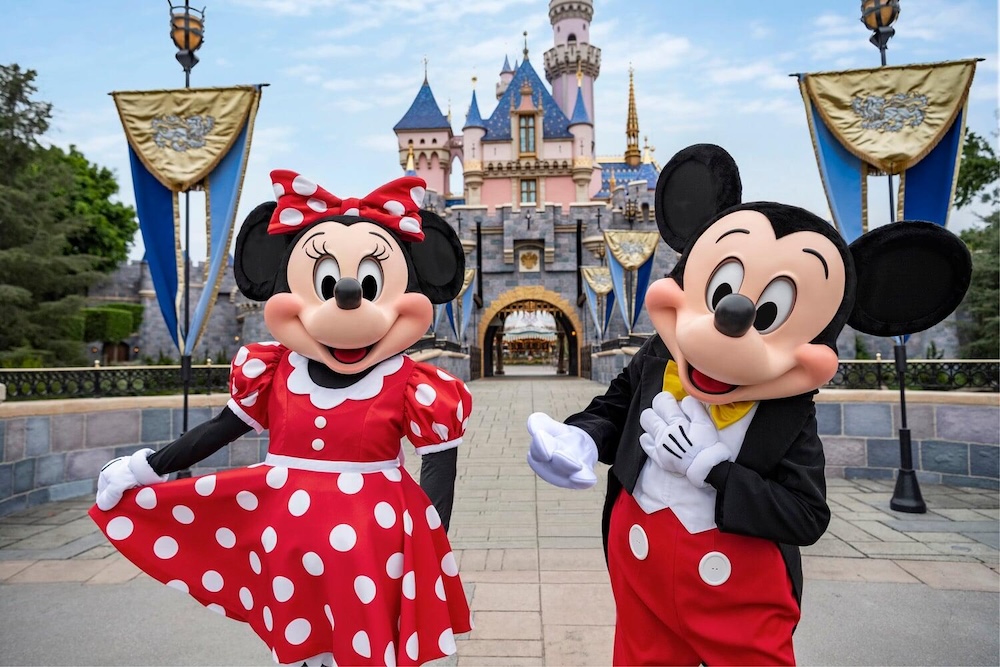
The promise of a Disney‑themed dance tour feels like a perfect marriage of two worlds that already thrive on imagination, discipline, and community: the enchantment of the parks and the grit of the studio. When 42nd Street Tours unveils a package that takes dancers to Disneyland, Walt Disney World, or Disneyland Paris, they are doing more than offering a vacation—they are curating an experiential learning lab where choreography meets storytelling, and where the sparkle of a castle becomes a catalyst for creative risk‑taking. This is especially resonant for studios that already champion body positivity and holistic wellness, because the Disney environment rewards confidence, playfulness, and the kind of fearless self‑expression that our own pole‑fitness and strip‑tease training rooms strive to cultivate. The idea that a group of dancers can leave the rehearsal floor, dance alongside beloved characters, and return with fresh movement vocabulary is a powerful reminder that inspiration does not live only in the studio; it can be harvested from the very places that make us feel like children again.
From a business perspective, the tour model aligns neatly with the strategic imperatives outlined in recent industry coverage. Studios that invest in a sub‑floor, for example, are already prioritizing safety and longevity for their dancers, as detailed in Why your studio needs a subfloor: Safety and more. Adding a Disney excursion amplifies that commitment to a supportive environment by extending care beyond the walls of the practice space. Moreover, the timing dovetails with the growing emphasis on experiential branding that festivals like the Lake Tahoe Dance Festival 2026 are championing, where dancers seek immersive, community‑building events rather than isolated competition. By offering a Disney tour, studio directors can position themselves as cultural curators, differentiating their brand in a crowded market and deepening loyalty among students who crave both artistic growth and unforgettable memories.
The broader significance lies in how this model reframes dance education as a lifestyle, not merely a skill set. When dancers experience the narrative architecture of a Disney parade or the kinetic storytelling of a ride, they internalize a new way of thinking about space, timing, and emotional arc—principles that translate directly to stage work, competition, and even personal fitness routines. For those of us who champion the pole as a tool for empowerment, the Disney aesthetic—glitter, drama, and bold character work—mirrors the same desire to own our bodies and project confidence. A trip that blends rigorous rehearsal schedules with the wonder of meeting Mickey or dancing under the Eiffel‑tower silhouette can reinforce the message that looking—and feeling—sexy is a daily act of self‑care, not a fleeting performance.
Looking ahead, the real question is how studios will integrate the lessons learned on those magical trips into their year‑round curricula. Will choreographers begin to weave Disney‑inspired motifs into recital programs, or will the experience simply serve as a morale boost that fuels existing creative pipelines? As the industry continues to explore hybrid models of education, community, and entertainment, we can expect more partnerships that blur the line between work and play. The success of 42nd Street Tours’ initiative could spark a wave of destination‑based training retreats, prompting studios to ask themselves: what other fantastical realms can we invite into our practice spaces to keep our dancers thriving, both inside and out?