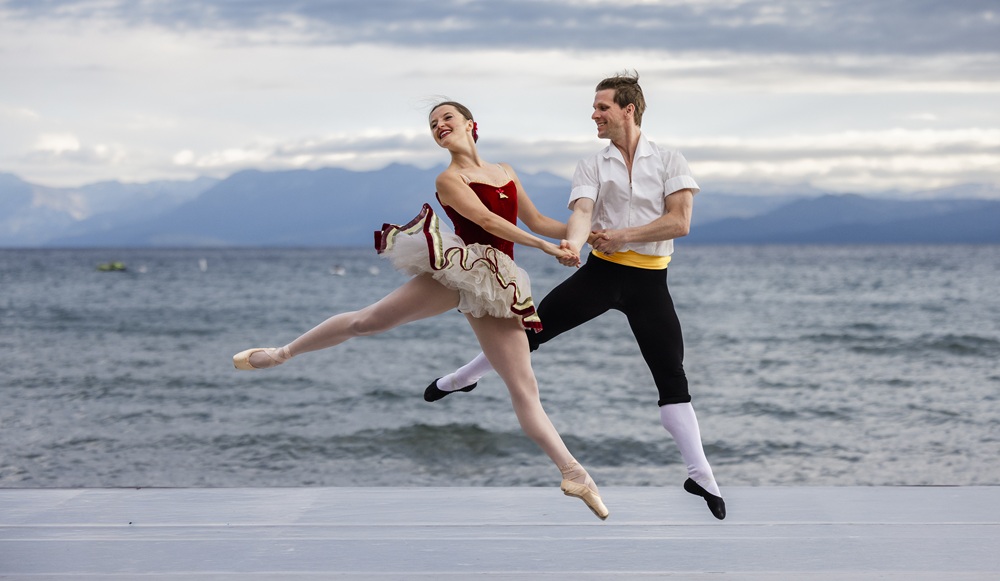
The Lake Tahoe Dance Collective’s announcement of its 14th Annual Lake Tahoe Dance Festival (July 21‑24, 2026) is more than a seasonal calendar entry; it signals a decisive shift in how regional festivals can serve as incubators for artistic excellence, community engagement, and inclusive movement culture. By gathering marquee companies—from New York City Ballet and American Ballet Theatre to Broadway’s own ensemble and the dynamic forces of Boston and Houston Ballet—the festival creates a rare confluence of high‑caliber performance and accessible instruction in a setting traditionally known for outdoor recreation rather than refined stagecraft. This model dovetails neatly with the practical concerns we’ve explored in recent pieces such as Why your studio needs a subfloor: Safety and more, where the physical foundation of a space is linked to the safety and longevity of dancers, and Lauryn Turner named CEO of DanceOne to lead next stage of growth, which underscores the importance of visionary leadership in expanding dance’s reach. The Tahoe festival’s blend of gala openings, community nights, and a closing celebration in William B. Layton Park illustrates an intentional design: elite artistry is not hoarded behind velvet ropes but woven into the fabric of local neighborhoods, inviting residents to experience the transformative power of movement first‑hand.
From a broader perspective, the festival’s programming reflects a growing recognition that dance education and performance must be democratized to sustain the art form’s vitality. The inclusion of community nights in Kings Beach and Tahoe City is a strategic move that mirrors the multi‑dimensional professional development agenda highlighted in the DanceOne Summit: Professional development as a multi-dimensional process. By offering workshops and open‑floor sessions alongside the gala, the festival nurtures a pipeline of local talent while also providing seasoned artists with fresh, grassroots perspectives. This symbiotic exchange elevates both the audience and the performers, reinforcing the notion that dance thrives when it is both seen and felt across socioeconomic lines. Moreover, the festival’s timing—mid‑summer, a period when many families are on vacation—capitalizes on a unique tourism boost, positioning Lake Tahoe as a cultural destination that rivals its reputation for ski slopes and lakefront leisure.
The significance of this development extends into the realm of body positivity and holistic wellness, themes that resonate deeply with today’s fitness‑focused, empowerment‑driven audiences. As a professional pole artist and fitness enthusiast, I know that movement is most potent when it celebrates the body’s capabilities rather than its limitations. The festival’s emphasis on diverse dance styles—from the classical rigor of ballet to the theatrical flair of Broadway—offers a visual manifesto that strength, flexibility, and sensuality can coexist onstage. When spectators witness a ballerina’s effortless arabesque beside a Broadway star’s kinetic storytelling, they receive an implicit invitation to explore their own movement narratives without shame. This aligns with the growing body‑positive discourse that encourages individuals to see fitness not merely as calorie burn but as a joyful expression of self, a sentiment that fuels both personal confidence and community cohesion.
Looking ahead, the Lake Tahoe Dance Festival could become a blueprint for other mid‑size locales seeking to fuse high‑level artistry with community immersion. The success of this model will hinge on sustained investment in infrastructure—such as safe, sprung flooring—alongside robust outreach that continues to break down barriers to participation. Will the festival inspire a new generation of dancers who view the pole, the barre, and the stage as complementary tools for empowerment? Will the ripple effect encourage more studios to adopt inclusive programming that celebrates every body type and ability? As the festival approaches, the answers to these questions will shape not only the future of dance in the Lake Tahoe region but also the broader conversation about how we, as a society, choose to move, celebrate, and uplift one another.