The heartbeat of the class: Dance musicians
Our take
In the vibrant world of dance, live music serves as the beating heart of every class, infusing energy and emotion into the movement. The article, "The heartbeat of the class: Dance musicians," highlights the essential role that talented musicians play in the dance ecosystem. These musicians, often unsung heroes, wield the power to lift spirits, enhance creativity, and create an atmosphere where dancers and teachers can truly connect with the art form. Their skillful accompaniment transforms a standard class into a transformative experience, where music and movement harmoniously blend. This synergy is echoed in other discussions within our publication, such as Dance takes center stage in Lincoln Center’s ‘Summer for the City’ which showcases how performance and collaboration can elevate the art of dance to new heights.
However, the life of a dance accompanist is not without its challenges. The article candidly discusses the long hours, demanding schedules, and often inadequate compensation that these artists face. Despite the difficulties, the passion of musicians like William Catanzaro, Erán Fink, and Dr. Barbara Mirano shines through their work, demonstrating an unwavering commitment to the craft. Their ability to adapt to various teaching styles and the unique needs of dancers speaks volumes about their skill and versatility. This dedication mirrors the sentiments expressed in the book review of Infinite Steps: Thirty-three Dancers and Their Lives in Ballet, where the stories of individual dancers reveal the multifaceted nature of artistic life. Just as dancers pour their hearts into every movement, musicians invest their souls into every note, creating a collective heartbeat that resonates throughout the studio.
What stands out in this narrative is the collaborative spirit that defines the relationship between dancers and musicians. This partnership fosters an environment of creativity and exploration, allowing dancers to push boundaries and discover new aspects of their artistry. When a dancer feels the rhythm and emotion conveyed through live music, it elevates their performance, making each routine not just a series of movements but a full-bodied expression of their inner selves. This idea of connection is crucial, especially in a world where self-expression and body positivity are paramount. The spirit of dance, enhanced by live music, encourages individuals to embrace their bodies and celebrate their uniqueness, aligning with my own philosophy as a fitness guru and body positivity advocate.
As we look to the future of dance education and performance, the role of live musicians remains a vital topic. The ongoing challenges they face prompt us to consider how we can support and uplift these artists, ensuring they receive the recognition and compensation they deserve. Will we see an evolution in how dance classes are structured to incorporate live music more consistently? How can we foster stronger connections between musicians and dancers in our communities? As we ponder these questions, it is crucial to remain aware of the transformative power that music holds within the dance world and to advocate for an environment where both dancers and musicians can thrive together. In celebrating their contributions, we not only enrich our dance experiences but also nurture a culture of collaboration, creativity, and joy.
There is nothing quite like having live music in a dance class. An especially talented musician can lift the whole room and transport it to a place where music and dance become one. The musician’s passion comes through their playing, and the teachers and dancers respond to it. The life of a dance accompanist isn’t easy. Often, they have long hours, lengthy days and low pay. Even so, these accomplished artists earn their living collaborating with teachers in the classroom. They are truly the unsung heroes of dance.
William Catanzaro, Erán Fink, and Dr. Barbara Mirano all have technical skills and miles of playing in their capable hands. They are sought-after accompanists, as well as performers, composers and artists. They are generous with their enthusiasm and share how they came to this unusual profession, what inspires them, and what they wish dancers and teachers understood about the craft.
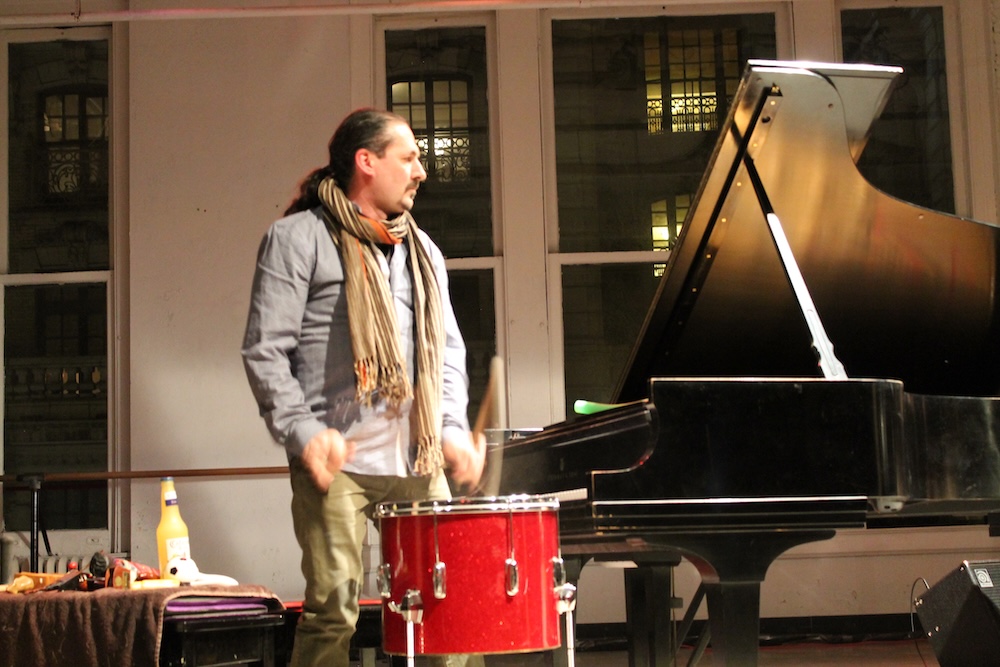
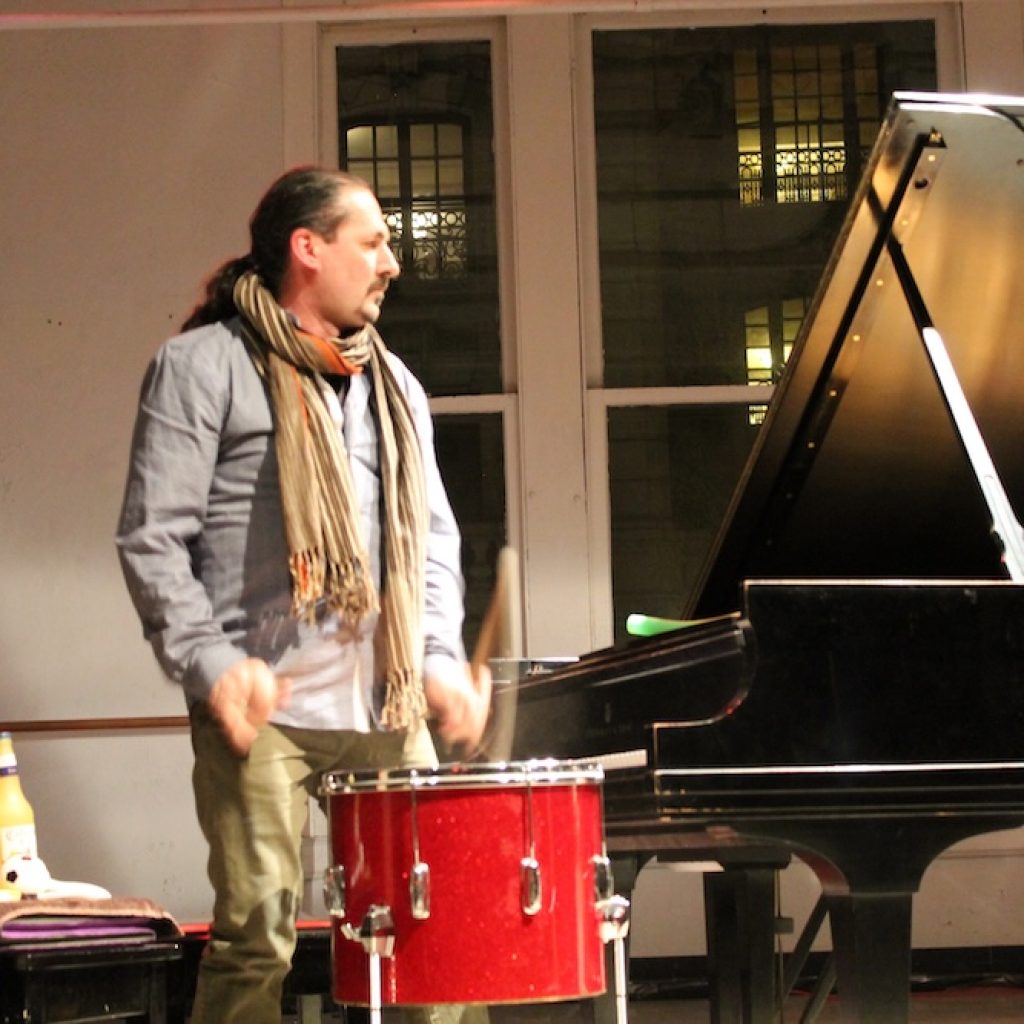
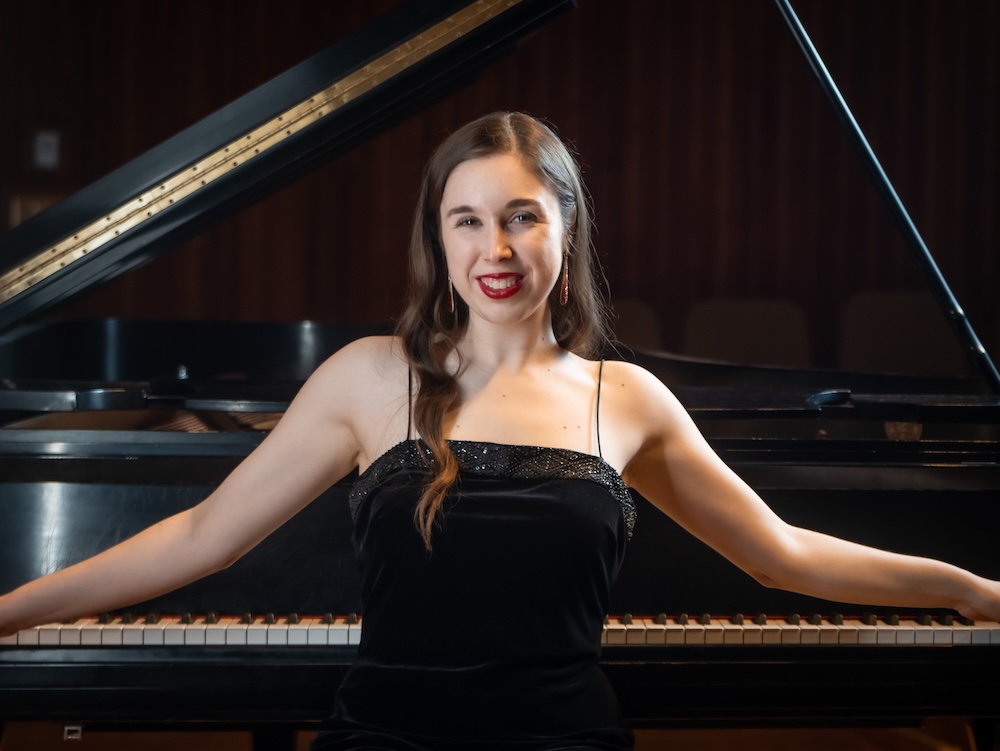
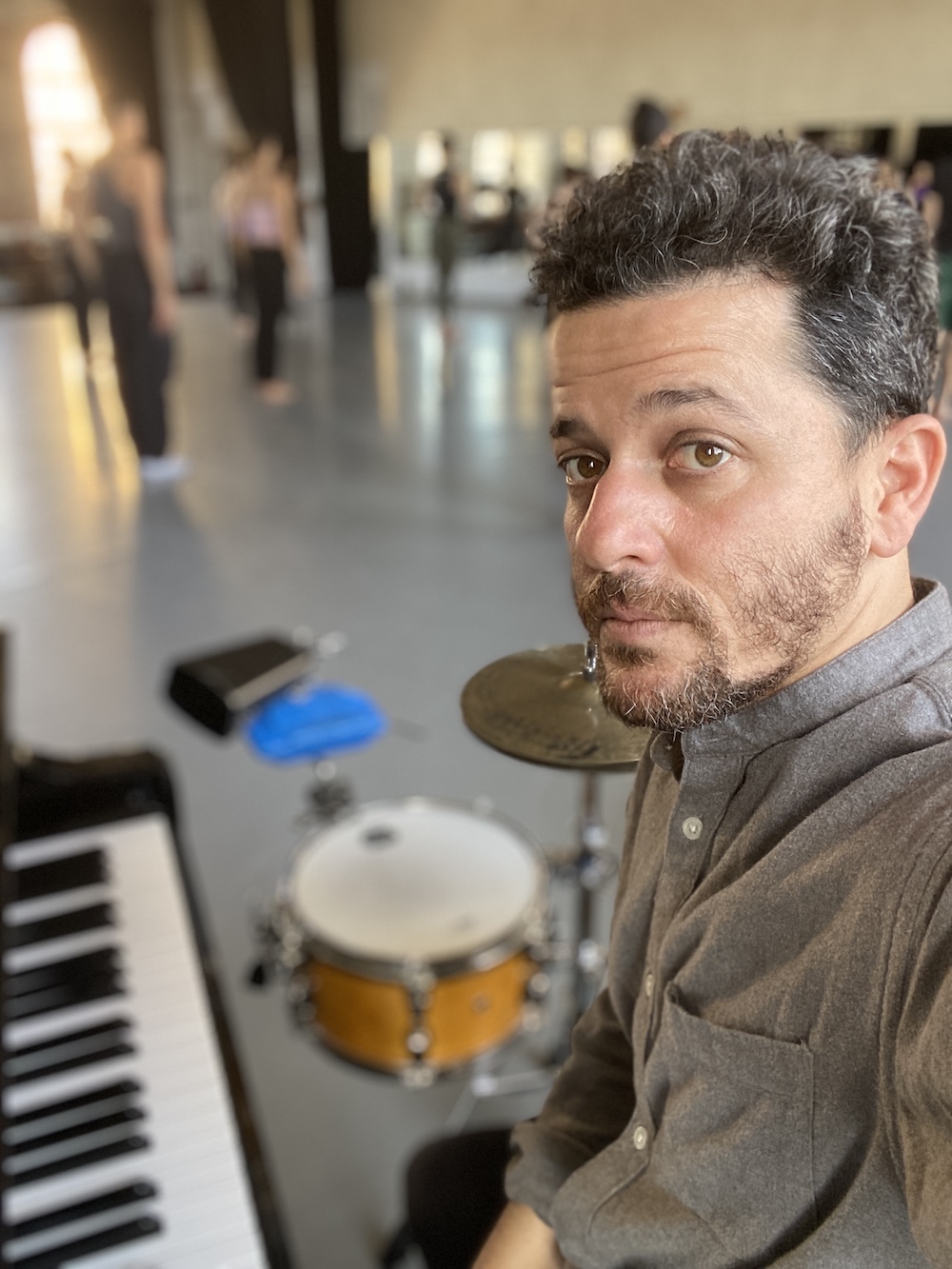
Dr. Barbara Mirano began playing piano at the age of three, starting formal lessons at eight and eventually earning a doctorate in music. She discovered dance accompaniment almost by accident during her doctoral assistantship and “fell in love with it,” drawn to the combination of structure, creativity and collaboration. For William Catanzaro, music was part of daily life from the start – his mother was a music teacher, and he grew up playing piano, guitar, percussion, and later studying composition and jazz. His professional path began when he was hired by Ana Maria Stekelman and Mauricio Wainrot to play for the Teatro San Martín Contemporary Ballet in Buenos Aires. In New York, he went on to accompany nearly every major modern dance institution. Erán Fink’s musical journey started at age 10 at the Rosh Ha’ayin Conservatory in Israel. Inspired first by The Nutcracker and later by Batsheva Dance Company, he accompanied his first modern class at 19 and found his way into the partnership between movement and sound.
Their instruments shape their approach as much as their backgrounds do. Mirano is primarily a pianist with a violinist’s sensitivity to melodic lines, often shaping phrases with the elegance of Chopin or Schubert. Catanzaro moves fluidly among percussion, piano and synthesizers, bringing global rhythmic influences into the room. Fink blends piano, guitar, bass, voice and a drummer’s deep understanding of pulse. “There’s nothing more universally human than rhythm,” he says. “Historically, drums led ceremonies, rituals, celebrations. Dance sits right inside that tradition.”
Each musician draws from a wide and personal musical palette. Mirano turns to classical composers and the Russian ballet anthologies, adding Broadway styles when needed. Catanzaro is influenced by classical music, jazz, world traditions, African drumming and the avant-garde. Fink’s influences span jazz and R&B; Afro-Cuban, Brazilian, Ethiopian, Middle Eastern, Israeli folk, pop; and the Beatles. This range ensures that no two classes sound alike.
Connecting movement to music is its own artistry. Mirano pays close attention to the teacher’s requests – meter, emphasis, quality – and aligns the musical accent with the movement accent, whether that means a buoyant waltz for rond de jambe or a sharper drive for allegro. Catanzaro describes the connection more succinctly: “Kinetic energy – magic.” Fink takes cues from tempo and rhythmic feel, often marking combinations with the dancers before settling on patterns or chords. For techniques like Graham or Horton, the structure itself guides his choices, although each teacher ultimately shapes the room’s atmosphere.
Schedules vary widely. Mirano plays afternoon and evening classes at Pacific Northwest Ballet School (PNBS), in addition to subbing for colleagues, playing auditions and performing in the orchestra pit at McCaw Hall. Catanzaro’s days are full: “Several technique classes (Alvin Ailey, Steps on Broadway), composition classes, rehearsals – all day, every day.” Fink plays one to four classes (Martha Graham, The Ailey School, The Taylor Center for Dance Education) depending on the season and averages several shows a week, while making room for family life after becoming a new father.
Working with many teachers requires adaptability and respect. Mirano appreciates the clarity and support of the PNBS faculty while remaining flexible to each individual’s style. Catanzaro relies on his deep knowledge of musical forms to adjust quickly. Fink values patience and the understanding that different teachers have different expectations. All three agree that the strongest musician–teacher partnerships are built on communication and mutual respect.
Adjusting for different student levels is another skill entirely. For children, Mirano uses playful, energetic music with a clear beat and keeps phrasing simple in early levels, expanding as dancers progress. Fink uses steady, familiar rhythms for young dancers and more dynamic, performance-quality music for adults and professionals. Catanzaro sees every age and level as equally important, believing that strong music elevates all dancers. They all describe being inspired by the dedication and artistry they witness in the studio every day.
Their role in the room shifts constantly – part collaborator, part performer, part support system. Mirano sees herself as all three. Catanzaro identifies most with “collaborator,” and Fink says that is the role that resonates most with him as well.
Many dance accompanists also compose or record music. Catanzaro has produced a large body of work and directs listeners to his website and streaming platforms. Fink composes as well. Mirano primarily uses sheet music and improvises as needed, although she admires colleagues who write original material specifically for class.
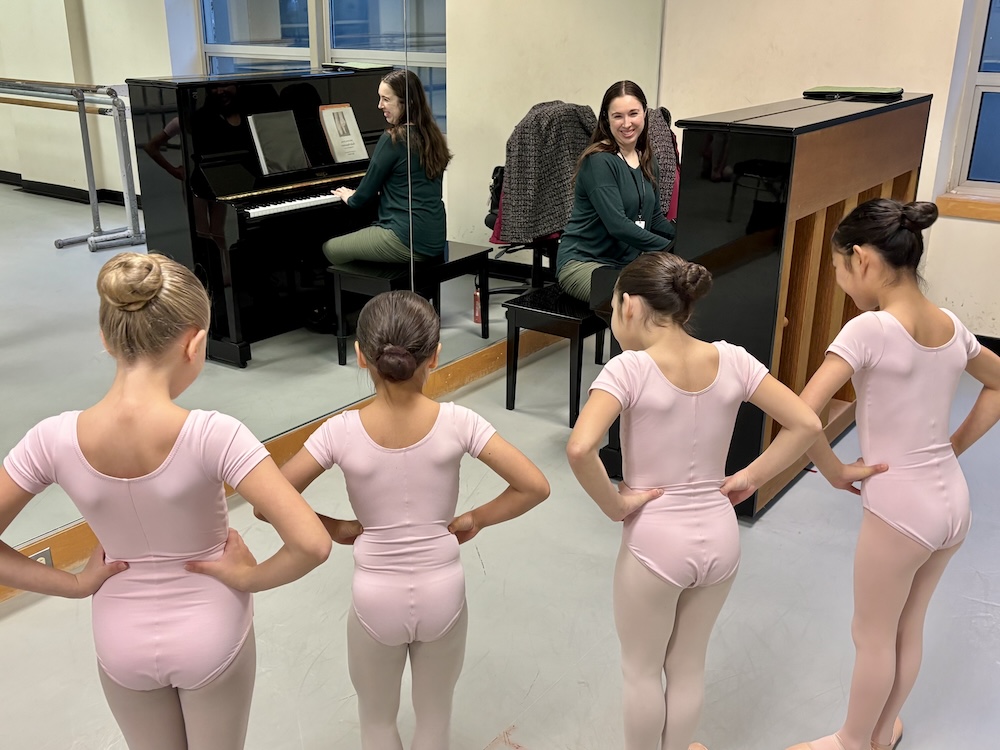
The work comes with challenges. Mirano cites the fast pace of class, the physical demands of playing for large groups, and the need to understand the arc of a full technique class. Catanzaro says the greatest challenge is when “the teacher is not aware that the musician is a live human being.” Fink describes the constant demand for flexibility – bridging the gap between music and dance terminology, adjusting instantly, improvising confidently, and taking criticism lightly.
Their advice for musicians interested in entering the field is heartfelt. “Do it!” Mirano says, calling it rewarding work that strengthens musicianship. Catanzaro emphasizes preparation, punctuality and respect for the craft. Fink encourages musicians to begin with beginner classes, listen to corrections, ask questions and attend performances to better understand the art form.
If dancers and teachers understood one thing better, each musician has a wish. Mirano wants dancers to know that musicians share the same artistic discipline: “How you practice is how you perform.” Catanzaro values open-mindedness and the willingness to listen. Fink wants dancers to know that he truly loves this work – “it’s a significant part of my musical expression.”
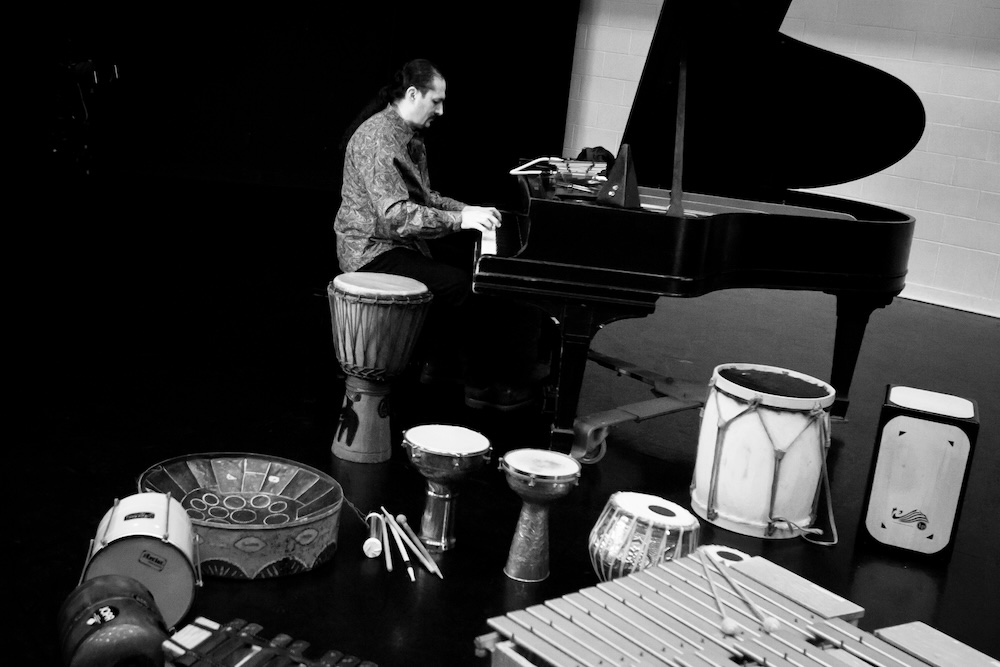
Their upcoming work reflects ongoing commitment: Mirano is preparing Don Quixote Act III for pas de deux class; Catanzaro continues to release new recordings on his website and Spotify; Fink has projects underway soon to be announced.
In studios all across the country, dance musicians are the heartbeat that drives the classroom. They transform the class into living art that is shared. They drive the rhythm, respond to the energy in the class, and help the dancers move through space and time. They may not be front and center, but their sounds resonate with everyone.
For more on these dance class musicians, check out: William Catanzaro at williamcatanzaro.com, Erán Fink on Instagram @eranfinkdrums, and Barbara Mirano can be contacted through the Pacific Northwest Ballet School website.
By Mary Carpenter of Dance Informa.
The post The heartbeat of the class: Dance musicians appeared first on Dance Informa Magazine.
Read on the original site
Open the publisher's page for the full experience