Why Your Child Desperately Needs Dance in a Pandemic
Our take
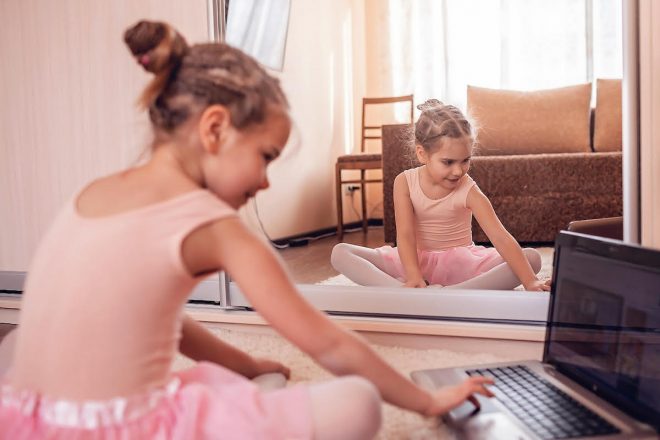
Our Take: The Importance of Dance for Children During a Pandemic
As the world grapples with the emotional fallout of the COVID-19 pandemic, we find ourselves navigating uncharted waters. Children, in particular, have been thrust into a whirlwind of emotions—anger, frustration, and isolation. A recent article from Dance Advantage highlights the sentiments of a 14-year-old girl who describes feeling “angry, fed up, and isolated.” This stark reality underscores the importance of maintaining activities that foster emotional expression and connection, especially dance. With routines disrupted and social interactions curtailed, it is crucial to prioritize activities like dance that can provide a sense of normalcy and joy. As we consider this, it’s worth reflecting on other aspects of the performing arts, such as Dance takes center stage in Lincoln Center’s ‘Summer for the City’, which remind us of the healing power of movement and creativity during times of crisis.
Dance is more than just an artistic pursuit; it serves as a powerful emotional outlet for children. The act of dancing allows them to channel their negative emotions into something constructive and expressive. During a time when they may feel trapped by their circumstances, dance can be a release, transforming feelings of anger and frustration into energy and creativity. This dynamic form of expression can have profound effects on mental health. As discussed in the article, preserving dance classes—whether virtual or in-person—ensures that children have a safe space to explore their feelings while connecting with peers who understand their struggles. This connection can be further emphasized by the stories shared in Book review: Gavin Larsen and Gene Schiavone’s ‘Infinite Steps: Thirty-three Dancers and Their Lives in Ballet’, which illustrate the transformative power of dance in individuals' lives.
Moreover, dance promotes physical health, which is particularly important as many children remain indoors for extended periods. Regular movement contributes to overall well-being, helping to stave off feelings of lethargy and depression that can arise from prolonged confinement. It encourages children to stay active, which is vital for both their physical and mental health. Dance classes also provide structure—a crucial element for children during uncertain times. Engaging in a routine, even if it’s virtual, can create a sense of stability that many children desperately need. The power of dance extends beyond physical fitness, offering an opportunity to build resilience, self-esteem, and a positive body image.
Looking ahead, it’s essential for parents, educators, and community leaders to advocate for the arts, ensuring that dance remains a priority during these challenging times. As we witness the ongoing evolution of how we engage with the arts, the question we must ask ourselves is: how can we better integrate dance and movement into our children’s lives to foster a sense of community and emotional well-being? As we emerge from this pandemic, let us not forget the vital role that dance can play in healing, connection, and self-expression. The future may be uncertain, but one thing is clear: the rhythm of life should never stop moving.
Angry, fed up and isolated.
These are the words of a 14-year-old girl describing how she has felt during the COVID-19 pandemic. Makes for difficult reading, right? And it can seem like we’re pretty powerless to do anything to help our children feel better.
When everything is topsy-turvy and routines are all over the place, it can be hard to know what activities to prioritize and what needs to be put on hold for now.
Here’s why dance matters during social distancing and why your child’s dance classes need to be one of the activities that are protected and made a priority.
1. Dancing helps them channel their negative emotions.
Feeling angry, fed up or sad are all very normal reactions to the changes that COVID-19 has bought us. Dance is an excellent way of releasing those negative emotions and turning them into something positive. The satisfaction that comes from creating something can be very beneficial to your child’s mental health and provide them with healthy coping strategies. Dance can help your child go from feeling angry and fed up to feeling proud and content.
2. Feeling isolated from friends and family is something a lot of children are really struggling with.
By encouraging your child to participate in virtual dance classes, you can help them combat these feelings of isolation. When they dance online, your child will feel connected and loved. Encouraging this interaction in challenging times will strengthen their bonds with friends and with their dance teacher, leaving them with a stronger support network at the end of the pandemic.
3. One of the keys to feeling positive and in control is having a sense of normality and maintaining a routine.
If your child is used to being at the studio for a couple of hours each day and that suddenly stops, the abrupt break to their routine will make them feel as if they’re in free fall. Encouraging your child to embrace their dance training online will maintain their routine, helping them feel secure. They will thrive by having something regular to look forward to and the feeling that “normal” can continue in some way.
4. Their progress can continue.
Continuing their dance training gives them back a sense of control which can reduce any feelings of anxiety. It’s also worth remembering that some dancers are actually making more progress with their dancing right now because they have more time to practice.
If your child is even considering dance as a career, you need to help them be realistic that if they stop training, even for a short time, there will be a regression in their training, flexibility or technique. The last thing you want is for your child to get through a pandemic only to face the emotional and physical challenge of playing catch-up.
5. In a global health crisis, it goes without saying that we want to keep our children’s bodies fit and strong.
Dance is the superhero of exercise — it improves strength, flexibility, heart and lung health, blood pressure and bone density, as well as having huge mental health benefits.
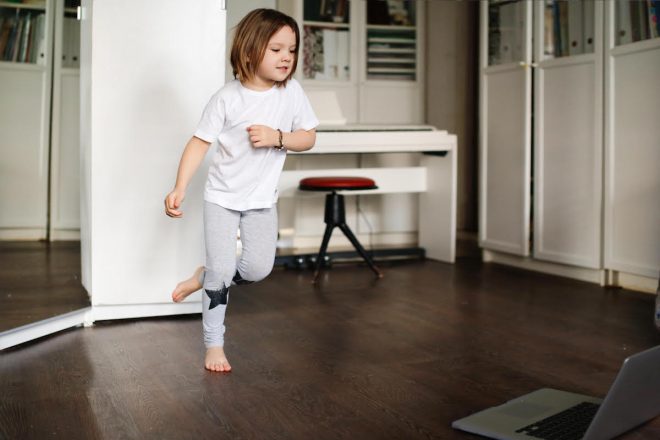
6. Your child’s dance classes actually flood their bodies with incredibly positive chemicals.
Every time they log in to class, dancers get a hit of dopamine which helps them feel motivated, reduces self-destructive behavior and counteracts depression. When they see their friends and teacher on the screen, your child will experience feelings of trust, love and bonding as oxytocin is released. Serotonin will ping around your child’s system which will help them to regulate their mood, behavior and sleep. Lastly, your child will feel better physically as endorphins flood their body, invigorating them as they enjoy moving their body through space to music.
While it’s true that you can’t control when a COVID-19 vaccine will be available or when life will get back to how it used to be, you can ensure that your child thrives during this challenging time and gets the dance classes they so desperately need.

Alison Jones is a dance education expert, writer and founder of Dancewise Studios. If you’re ready for your child to try a virtual dance class, from the comfort and safety of your own home, click here for more information.
The post Why Your Child Desperately Needs Dance in a Pandemic first appeared on Dance Advantage.
Read on the original site
Open the publisher's page for the full experience