•2 min read•from Frontiers in Marine Science | New and Recent Articles
Blubber under stress: ex vivo cortisol exposure induces an anti-inflammatory state in precision-cut adipose tissue slices from humpback whales
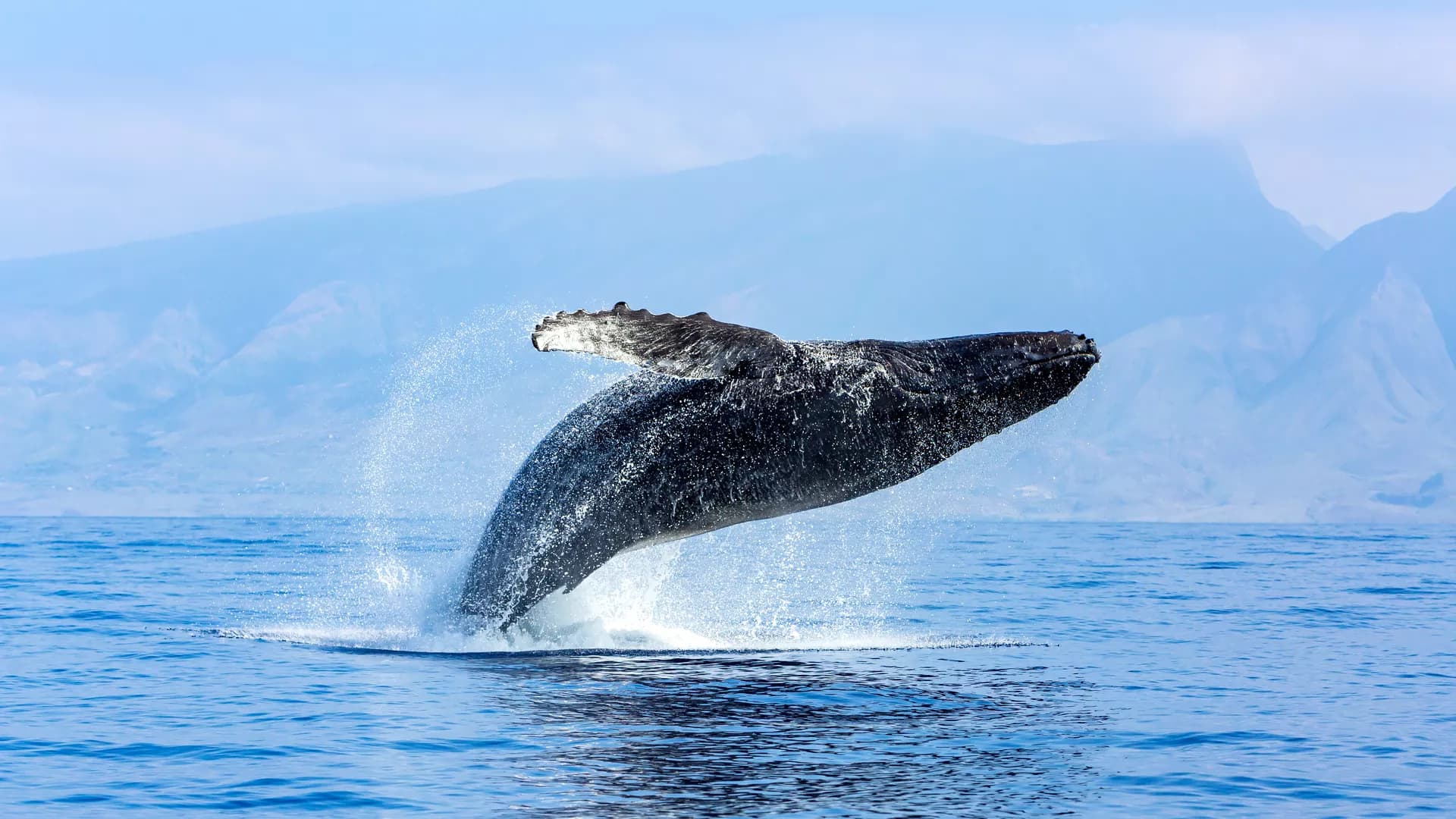
Cetaceans are exposed to multiple anthropogenic stressors that may disrupt hormonal balance, notably through elevated release of circulating stress hormones, such as catecholamines and glucocorticoids. While stress response mechanisms are vital in the short term, prolonged stress can have serious health implications including impaired immunity. Yet, cause-effect relationships and mechanistic understanding about the impacts of elevated stress hormones on large cetacean health remain poorly understood due to the ethical and logistical challenges of studying free-ranging whales. To address this knowledge gap, the present study established an ex vivo precision-cut adipose tissue slice (PCATS) model from blubber biopsies collected from 13 humpback whales (Megaptera novaeangliae) in Norway. Metabolic viability of PCATS was assessed and confirmed by measuring ΔO2 saturation in the culture medium, as a proxy for mitochondrial respiration. PCATS of humpback whales were further used to investigate the effects of stress hormone exposure on the relative mRNA levels of a set of 5 stress and immunoregulatory genes: heat-shock protein 70 (HSP70), toll-like receptor 4 (TLR4), peroxisome proliferator activated receptor gamma (PPARG), interleukin 10 (IL10) and tumor necrosis factor alpha (TNF). PCATS were incubated for 48 hours with 400 nM cortisol introduced every 12 hours to mimic a chronic stress response alone and combined with 10 µM epinephrine in the final 12 hours to simulate an acute stress response. Relative gene expression assessed through RT-qPCR, revealed that both cortisol alone and combined with epinephrine significantly upregulated PPARG and downregulated TNF and TLR4 expression, suggesting that cortisol induces an anti-inflammatory state. The present findings call for in-depth transcriptomic analyses to identify which biological pathways may be compromised by stress hormones in cetaceans. Our study also opens new research avenues for using PCATS as an ex vivo model to investigate the effects of multiple stressors on free-living cetaceans.
Want to read more?
Check out the full article on the original site
Tagged with
#ecosystem health
#research collaboration
#research datasets