First India-Flagged LPG Tanker Transits Strait Of Hormuz After Ceasefire, 15 Ships Still Await Passage
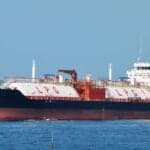


An India-flagged LPG carrier, Jag Vikram, is expected to arrive at Kandla, Gujarat on April 14 after successfully crossing the Strait of Hormuz.
It is the first such transit by an Indian vessel since the recent ceasefire between the United States and Iran.
According to the Ministry of Ports, Shipping and Waterways, the vessel is carrying 20,400 metric tonnes of liquefied petroleum gas (LPG) and has 24 seafarers on board.
The ship crossed the strategically critical Strait on April 11 and is now approaching the Indian coast.
Officials confirmed that this transit is the first by an Indian-flagged vessel since the announcement of a 14-day ceasefire aimed at easing tensions in the region and restoring maritime traffic through one of the world’s most important energy corridors.
Additional Secretary Mukesh Mangal, speaking at an inter-ministerial briefing, stated that no incidents involving Indian vessels had been reported in the past 24 hours. He also noted that more than 2,177 Indian seafarers have been repatriated so far, including 93 in the last day.
The Ministry added that operations across Indian ports remain normal, with no congestion reported.
Authorities are continuing to coordinate with the Ministry of External Affairs, Indian missions, and maritime stakeholders to ensure the safety of vessels and crew in the Gulf region.
Jag Vikram, owned by the Great Eastern Shipping Company, is a mid-sized LPG carrier with a deadweight capacity of over 26,000 tonnes.
Ship-tracking data showed that it transited the Strait between April 10 and 11 and moved into the Gulf of Oman, proceeding eastwards.
Maritime traffic in the Strait of Hormuz remains cautious. Per industry sources, ship operators are still required to coordinate with Iranian authorities for safe passage, and normal shipping activity is unlikely to resume fully until a longer-term agreement is reached between the United States and Iran.
Before the ceasefire, several vessels had managed to exit the region, but around 15 India-flagged and Indian-owned ships are still in the Persian Gulf awaiting clearance to sail. Officials said efforts are ongoing to bring these vessels back as conditions improve.
The Strait of Hormuz remains a critical route for global energy trade. India, which depends heavily on imports, sources a significant share of its LPG, crude oil, and natural gas from Gulf countries.
Nearly 85-90 per cent of India’s LPG imports pass through this corridor.
At the peak of the disruption, at least 28 India-flagged vessels were present in the Hormuz region. Hundreds of international ships, including tankers, LPG carriers, and LNG vessels, were also affected due to the conflict.
Despite the challenges, officials said domestic LPG supplies remain stable. Measures have also been taken to manage energy demand, including prioritising household consumption and encouraging a gradual shift towards piped natural gas for commercial users.
References: thehindu, republicworld
Want to read more?
Check out the full article on the original site