No Ships Make It Past U.S. Blockade In Strait Of Hormuz In First 24 Hours
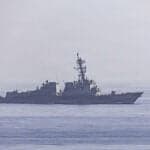


The United States military has confirmed that no vessels crossed its newly imposed blockade targeting Iranian ports during the first 24 hours of operations in the Strait of Hormuz, with six merchant ships complying with orders to turn back.
According to a statement from US Central Command (CENTCOM), the blockade began on Monday and applies to all vessels entering or leaving Iranian ports and coastal areas, including those along the Arabian Gulf and the Gulf of Oman.
The command said the six ships were instructed to reverse course and re-enter an Iranian port.
More than 10,000 US personnel, along with over a dozen warships and several aircraft, are involved in enforcing the operation. The US said the measures are being applied to vessels of all countries if they are heading to or departing from Iranian ports.
At the same time, the US clarified that ships not linked to Iranian ports are still allowed to pass through the Strait of Hormuz. It said forces are continuing to support freedom of navigation for vessels travelling to and from non-Iranian destinations.
However, any vessel attempting to enter or depart the blockaded zones without authorisation is subject to interception, diversion or capture, according to a notice issued to seafarers.
The blockade follows the collapse of high-level talks between the United States and Iran over the weekend, which had aimed to end a six-week conflict involving the US and Israel.
President Donald Trump ordered the blockade shortly after the negotiations broke down.
There were differing reports on ship movements during the first day. While the US said no vessel crossed the blockade, some shipping data showed that a few ships transited the Strait.
These vessels were not heading to Iranian ports and therefore did not breach the restrictions. Other reports suggested that ships leaving Iranian ports may have crossed the waterway, but this has not been confirmed.
More than 10,000 U.S. Sailors, Marines, and Airmen along with over a dozen warships and dozens of aircraft are executing the mission to blockade ships entering and departing Iranian ports. During the first 24 hours, no ships made it past the U.S. blockade and 6 merchant vessels… pic.twitter.com/dpWAAknzQp
— U.S. Central Command (@CENTCOM) April 14, 2026
The United Kingdom Maritime Trade Operations (UKMTO) said it had been informed about the restrictions and noted that neutral vessels currently in Iranian ports had been given time to leave.
The United Kingdom Maritime Trade Operations (UKMTO) agency confirmed it had been notified of the new restrictions. It also indicated that neutral vessels currently docked at Iranian ports had been granted a temporary window to leave.
Humanitarian cargo, including food and medical supplies, is exempt from the blockade but remains subject to inspection before transit.
The situation has created uncertainty for shipping in the region, especially for operators and shipowners using the Strait of Hormuz, which carries about one-fifth of the world’s oil and gas supplies.
Oil prices rose above $100 per barrel after the announcement before easing slightly on expectations that talks could resume. President Trump said discussions with Iran could take place again within the next two days, with Pakistan involved in facilitating the talks.
Officials from both sides have said they remain open to negotiations, although key issues remain unresolved. These include control over the Strait of Hormuz, Iran’s nuclear programme, and whether the ceasefire also applies to ongoing military activity in Lebanon.
The US said its forces are capable of maintaining the blockade, but analysts have warned that the situation could lead to further escalation. Iran has criticised the move and described it as unlawful, while also adding that it is prepared to respond if needed.
The blockade is being enforced in waters including the Gulf of Oman and the Arabian Sea, with US forces positioned to stop vessels attempting to sail in or out of Iranian ports.
This means some ships can still pass through the Strait of Hormuz but cannot access Iranian ports under the current restrictions.
References: Reuters, Al Jazeera
Want to read more?
Check out the full article on the original site