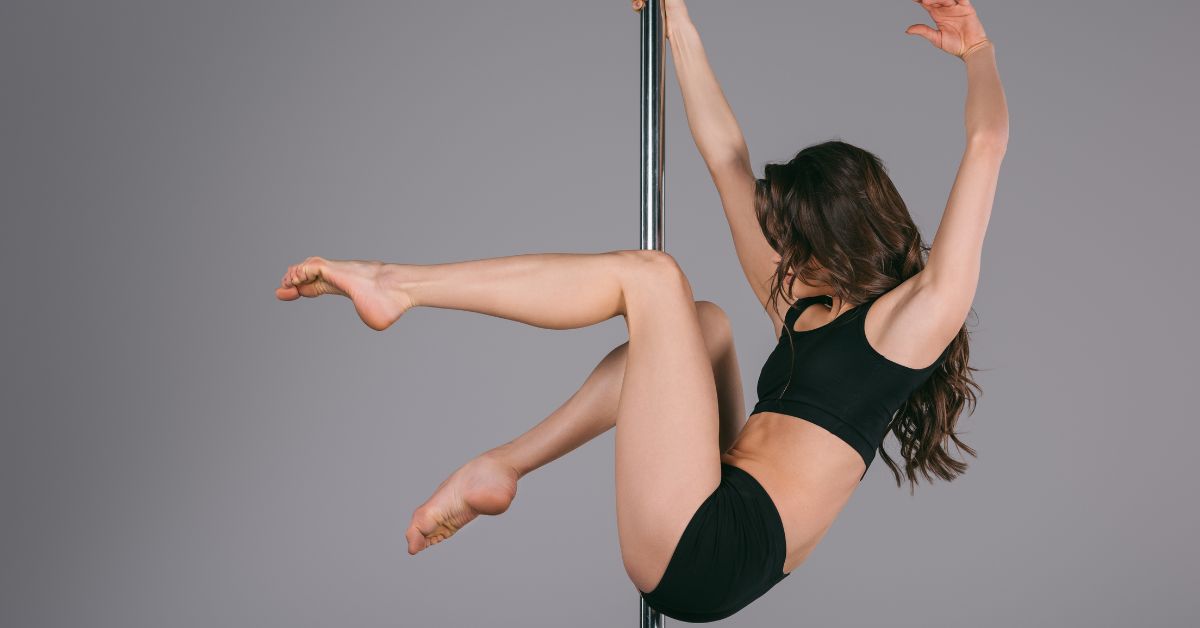
The stigma around pole is not gone, and pretending otherwise does a disservice to every athlete who still has to explain their sport at work, at family dinners, or on dating apps. That is the real takeaway from the article on how pole athletes are reshaping the art form: the shift in perception is real, but it is incomplete, and the burden of that unfinished work keeps falling on the people who train and compete. For those of you who have spent years building calluses and chasing a clean handspring, this is not a theoretical debate. It is the difference between booking a studio space without a lecture and having to justify your hobby to a landlord.
The historical roots of pole, as the article notes, trace back to ancient acrobatic and ritual practices in India and China. That context matters because it reframes the apparatus as a tool for strength and agility, not a prop with a fixed meaning. But here is the practical problem: history does not erase the present. When you set up a pole at home, you are not just installing a piece of equipment. You are making a statement about how you spend your time, and that statement still gets judged. This is why Clean Pole, Reliable Grip: Why Maintenance Matters for Every Athlete is more than a technical checklist. A well-maintained, properly tensioned pole signals that you are serious about the craft, and that seriousness is part of how you push back against the stereotype. When your pole is greasy or your bolts are loose, you are not just risking an injury; you are handing ammunition to anyone who wants to dismiss the sport as unserious.
What the article does well is acknowledge that the transformation from niche to mainstream has not been uniform. You see this in competitions, where judges now reward controlled strength and flexibility over flashy but sloppy tricks. You also see it in the rise of specialty workshops, like the one featured in Meet Iris Sparrow and Her Hot Knife Workshop at PoleCon West 2026, which blend performance artistry with technical precision. That kind of programming matters because it gives athletes a path forward that is not just about nailing a move, but about owning the space and the story behind it. Still, the article stops short of declaring victory, and that is the right call. The stigma is quieter now, but it has not disappeared. It just moved from the strip club conversation to the office small talk, where you have to decide how much of yourself to reveal.
Here is the concrete point to watch: the next time you see a pole class listed as a "bachelorette party activity" rather than a strength sport, ask yourself whether the instructor is being paid fairly and treated with respect. That is the real test of whether the stigma has lifted. Until the business side of pole, from studio pricing to competition entry fees, reflects the athletic rigor of the practice, the perception will lag behind the reality. For you, the athlete, the takeaway is simple: train hard, maintain your equipment, and do not let anyone tell you that your sport is a phase. The history is on your side, and so is the strength you have built. Keep showing up, and the perception will eventually catch up to the practice.