
Strength
Strength on Dancerpole: a running collection of 10 stories we have gathered and hand-picked because they are worth your time. Every post here touches on strength in some way — the news, the analysis, the deep dives, and the occasional surprise find. Pole fitness for the studio and at home. Technique, strength, competitions, and how to choose a home pole. New stories are added to this page as we find them, so check back if you want to keep up with what is happening around strength, or subscribe to the RSS feed to get them as soon as they are published. Browse the collection below, or head back to the homepage to see everything Dancerpole is covering right now.

How ADHD Brains Thrive in Pole Training and Coaching
The post opens with a fact that will surprise no one who has spent time in a pole studio: neurodivergent athletes find something here that other sports never offered. For many, it is the first physical practice that clicks. The novelty, constant skill progression, and creative community align well with how ADHD brains engage. But coaching designed for neurotypical students often misses the mark. This piece gets specific about what works instead.

Why Your Training Must Extend Beyond the Pole for Lasting Strength
Swimmers don't just swim. They spend hours off the pool deck building shoulder stability, upper-body power, and core strength. Tennis players do the same. As an athlete, your pole work is only half the equation. Off-the-pole conditioning is not optional; it is the difference between steady progress and recurring injury. You need targeted strength work to protect your shoulders, wrists, and back. For more on building a complete training space, see our guide on why every athlete should consider a home pole for cross-training.

Fueling Your Pole Training: A Coach's Guide to Smart Nutrition
Fueling your training goes far beyond what you eat before class. Nutrition shapes how an athlete feels, recovers, and performs on the pole, yet many dancers receive advice that falls outside a coach's expertise. The post emphasizes staying in your scope of practice, which is a responsible boundary we appreciate. For more on matching instruction to your goals, our related article "Selecting a Pole Instructor Who Matches Your Training Goals" offers useful direction. Smart nutrition starts with honest limits, not overreaching.
Injury Data From 66 Dancers Points to Training Gaps Athletes Should Address
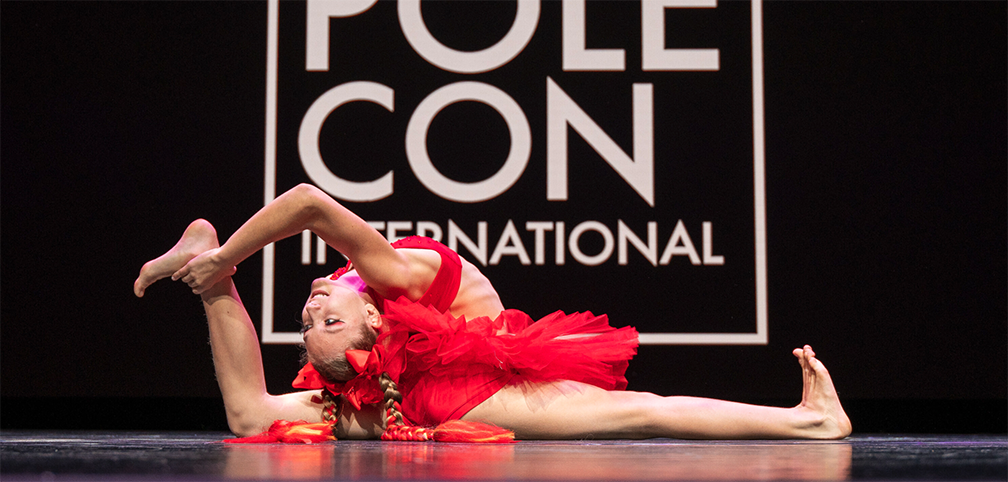
Only 25 of 66 dancers completed Dr. Johanna Nicholas's 12-month injury study. That dropout rate is itself a training gap. We cannot fix what we do not track. This data, drawn from 41 Australian studios, should make every athlete ask whether their own logbook is honest about pain and rest. For deeper context on how the industry is evolving, read our coverage of "Three Surveys In Six Years Reveal Trends in Pole Industry Finances."

How ADHD Shapes Your Training, Injury Risk, and Progress on the Pole
ADHD draws people to pole because the sport is novel, risky, and endlessly varied, conditions where a neurodivergent brain engages fully. But that same brain can struggle with consistency, body awareness, and fatigue management, which directly affects injury risk and progress. This article lays out those mechanics calmly and practically, without pathologizing the athlete. It's a useful read for dancers and coaches alike. For deeper context on building sustainable strength, see "Why Your Training Must Extend Beyond the Pole for Lasting Strength."

Build Knee-Grip Strength for Pole With These Targeted Exercises
A dancer on Instagram asked for exercises to build back knee grip strength. It's a specific, stubborn challenge, that clamp behind the knee is essential for holds and climbs, yet standard quad work barely touches it. This article answers that question directly with targeted, practical drills. We appreciate that focus. For athletes working on related pulling strength, our piece "Building Your Pole Muscle Up with Controlled Strength Progression" offers a natural next step.

Shoulder Injury in Pole Athletes: What Hurts, Why, and How It's Found
Shoulder pain tops the list of pole injuries, and that's no surprise given how much load this sport puts on the joint. Resting completely or pushing through rarely helps, and rushing to imaging often skips the real diagnostic work. This guide breaks down what's actually strained, why pole athletes are vulnerable, and how clinicians properly identify the issue. It's a calm, practical foundation for managing rotator cuff problems.
Pole Training as a Path to Emotional and Psychological Balance
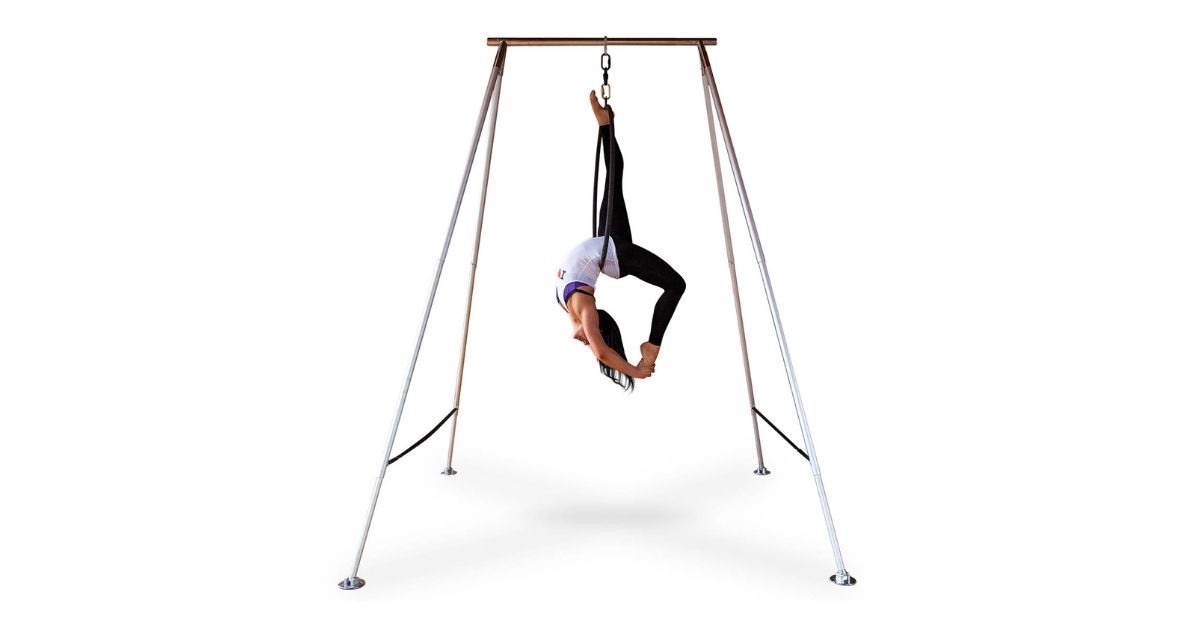
Pole training asks your body to hold, spin, and invert, which demands focus that quiets the noise of daily life. This post argues that the mental health benefits are as real as the physical ones. We agree. The discipline of building grip strength and sequencing moves trains the mind to stay present. For dancers and athletes setting up a home practice, the related article "Design Your Home Pole Space for Safer, More Focused Practice" offers practical guidance on creating an environment that supports that calm.
Shoulder Scans for Dancers: What Imaging Can and Cannot Reveal
A scan feels like an answer to shoulder pain, but imaging rarely hands you a simple diagnosis. This edition of *Pole Meets Science* explains what MRI and ultrasound can actually show, and what they routinely miss. We found it refreshingly honest about the limits of technology. For dancers training through discomfort, the piece is worth reading alongside our earlier article, *Shoulder Injury in Pole Athletes: What Hurts, Why, and How It's Found*, which covers common injuries in more detail.

Shoulder Injury Risks in Pole: What Athletes Need to Know
The shoulder is the most commonly injured part of pole, and that should shape how you train. Every climb, grip, and hold loads the joint complex, so understanding risk factors is not optional. This edition of Pole Meets Science breaks down what the research actually points to, giving you a practical lens for programming and rehab decisions. It is a calm, specific read. For a deeper look at imaging, pair it with "Shoulder Scans for Dancers: What Imaging Can and Cannot Reveal."