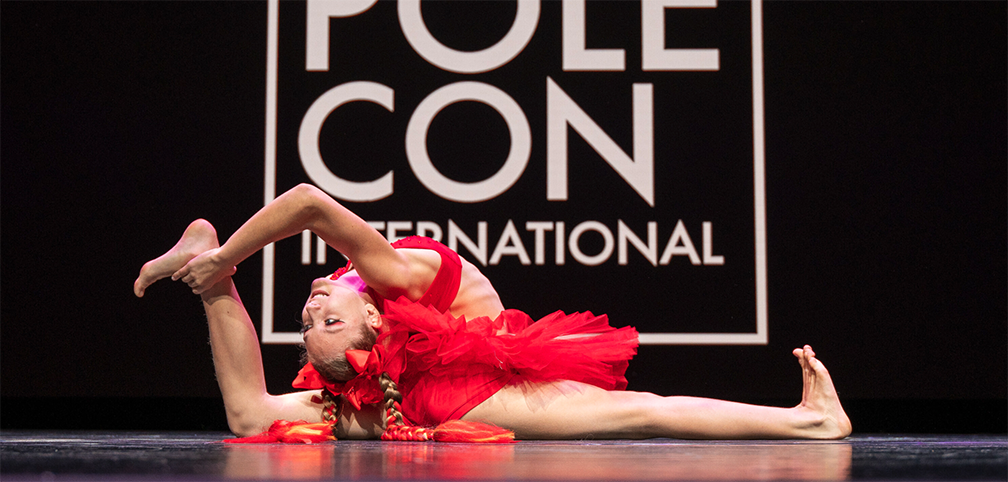
This study should be a quiet alarm for every dancer training at home or in a studio. The injury rate of 8.95 per 1,000 activity hours, with shoulders in internally rotated positions being the most common site of damage, points directly to a gap in how we prepare for the sport. This is not a reason to stop training, but it is a reason to train smarter, and it is a reason to ask harder questions about what your current routine is missing.
Dr. Johanna Nicholas's 2022 study, which tracked 66 pole dancers from 41 Australian studios over 12 months, is the first of its kind for studio-based polers. The fact that only 25 participants completed the full daily diary tells us something about the difficulty of gathering clean data in a sport that is still building its research foundation. But the number we have is enough to act on. When you compare this injury rate to other activities, it is competitive with gymnastics and cheerleading, not with low-impact fitness. This should change how you think about warm-ups, cool-downs, and supplementary strength work. It also connects directly to what we have covered in Three Surveys In Six Years Reveal Trends in Pole Industry Finances, which shows that as the industry grows financially, the need for standardized training and safety resources grows with it. And for dancers setting up a home pole, the choice between static and spinning mode is not just a preference, it is a variable that changes the forces on your shoulder. Our piece on Why Spinning Pole Rotation Matters for Your Training Progression explains how rotation alters muscle recruitment, and that is exactly the kind of detail that matters when you are trying to protect your rotator cuff during high-volume training.
The practical takeaway here is direct: if you are not doing targeted prehabilitation for your internal rotators and posterior shoulder, you are relying on luck. The study's finding that injuries cluster in internally rotated positions, think cross-knee release, inside leg hangs, and any move where the shoulder is loaded behind the body, means that strength in external rotation and scapular control should be a weekly priority, not an afterthought. This is not medical advice; it is a logical response to the data. For athletes training alone at home, this is even more critical because you lack the live feedback of a coach who can spot a shoulder hiking toward your ear. The study's small completion rate also raises an open question that we will be watching: how do we get better long-term data without burning out the dancers who provide it? Events like Nearly 450 Athletes and Exhibitors Gather at PoleCon West 2026 show that the community is large enough to support larger-scale research. The next step is figuring out how to keep those athletes reporting.