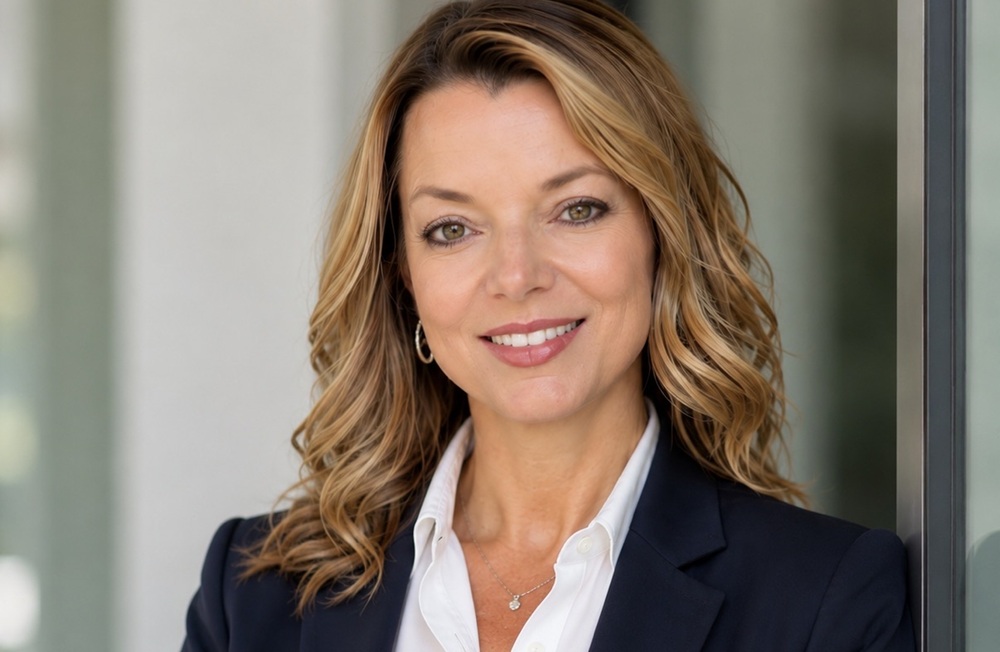
When DanceOne announced Lauryn Turner as its new CEO, the news landed like a perfectly executed pirouette — graceful, powerful, and impossible to ignore. As someone who has built a life around the pole, the kitchen, and the quiet confidence that comes from knowing your worth, I see this appointment as more than a corporate shuffle; it is a declaration that leadership in dance can look like a woman who understands the grind, the glitter, and the grace in equal measure. Turner's two decades of executive experience across youth and professional sports signal a strategic mind, but it is her mandate to expand partnerships and strengthen globally recognized brands that makes my heart race — because when dancers win, we all win. This moment feels deeply connected to the conversations happening at the DanceOne Summit: Professional development as a multi-dimensional process and the community spirit of Dance the Magic's Pixie Dust in Paradise: A gathering for dance educators, where growth is measured not just in technique but in the courage to show up as your fullest self.
The significance here extends far beyond the boardroom. DanceOne sits at the center of the largest family of dance brands in the world, which means Turner's vision will ripple through studios, competition floors, and living rooms where little girls and grown women alike practice their turns in the mirror. Operational alignment sounds clinical on paper, but in practice it means fewer barriers between a dancer's passion and their potential — streamlined pathways, clearer communication, and resources that actually reach the people who need them. As a fitness guru who believes the best workout is the one that makes you feel unstoppable, I know that structure creates freedom. When the business side runs smoothly, the art side gets to soar. And let us not forget the educators who carry this industry on their backs; they deserve a CEO who sees their labor as the foundation, not the footnote.
There is also a quiet revolution happening in how we define "dance leadership" — and Turner's appointment feels like a milestone in that shift. For too long, the image of authority in this space has been narrow, often disconnected from the embodied knowledge that comes from years in the studio, on the stage, or yes, even wrapped around a