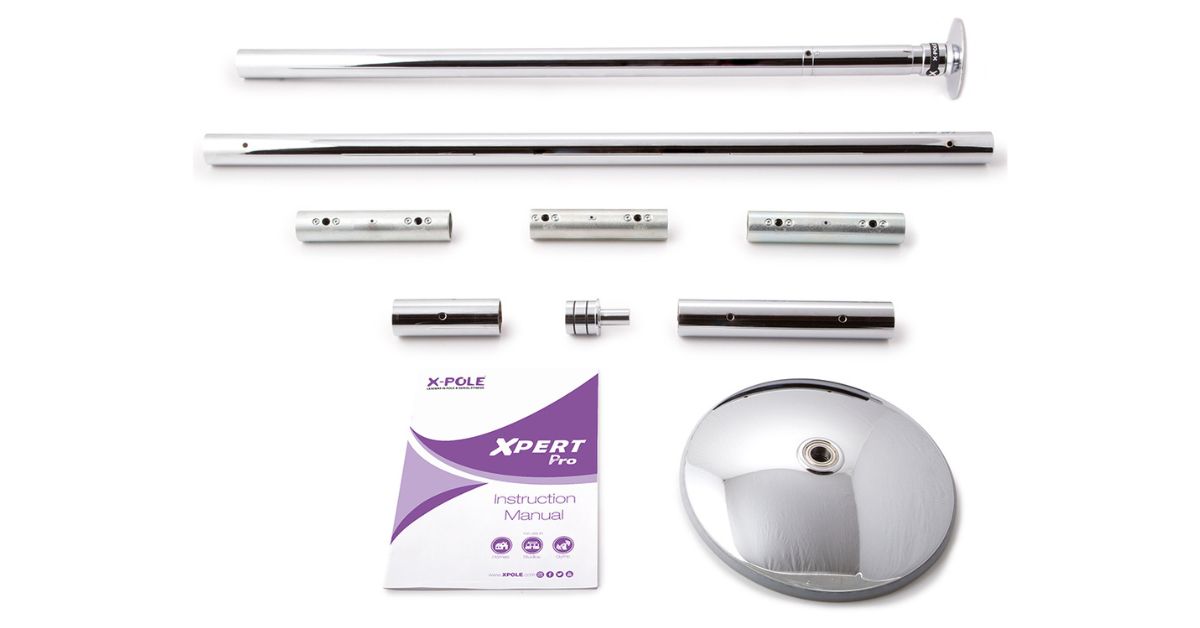
The article from X-POLE US on designing a home pole space is a welcome and necessary resource, but it stops short of addressing the deeper commitment required for safe, long-term practice. We believe that setting up a home rig is not just about convenience; it is a serious investment in your physical safety and technical development that demands more than a checklist of room dimensions. For the athlete training at home, the stakes are higher because there is no instructor to spot a misaligned grip or a fatigued shoulder, which is why the advice in pieces like Clean Pole, Reliable Grip: Why Maintenance Matters for Every Athlete and How Pole Athletes Are Reshaping an Art Form Once Misunderstood becomes even more critical when applied to a solo environment.
The article's recommendation of a 10-to-12-foot ceiling is practical, but a dancer must also consider the pole's base material and the floor's load-bearing capacity. A tension-mounted pole on a hollow floor can shift during dynamic moves, and a spinning mode in a room that is too narrow can send an athlete into a wall. We think the most overlooked variable is how a static versus spinning pole changes the demands on your grip and core engagement. A static pole allows for more precise placement and is ideal for strength-building holds, while a spinning pole requires constant micro-adjustments that can fatigue the forearms quickly. Without the feedback of a coach, an athlete may not realize they are compensating with poor shoulder alignment until an injury occurs. This is why we suggest that home athletes film their practice and compare their positioning to the technical standards discussed in studio settings, especially since the stigma discussed in the related article about reshaping the art form has made it harder for some to find qualified local instruction.
A concrete takeaway from this editorial is that your home gym layout must include a dedicated crash mat area, not just floor space. The article implies safety through height and open floors, but a specific consequence of practicing alone is the absence of a spotter for inversions or drops. A mat that covers the full radius of your reach, paired with a pole that is rechecked for tightness before every session, is non-negotiable. We also question the assumption that a "motivating workout space" comes from decor alone. Motivation fades when grip fails because the pole has not been cleaned, or when the ceiling height is eaten up by a ceiling fan you forgot to remove. The practical sequence should be: measure, install, test, and only then arrange your lighting or mirrors.
The open question we are left with is how home athletes plan to progress without the external structure of a class. A studio provides programmed progressions and peer observation; a home rig gives you repetition and privacy. The athlete who succeeds at home is the one who treats their space as a training lab, not a sanctuary. Watch for how your body responds to the same surface and same routine over weeks, that is the detail that will tell you whether your setup is truly safe or just comfortable.