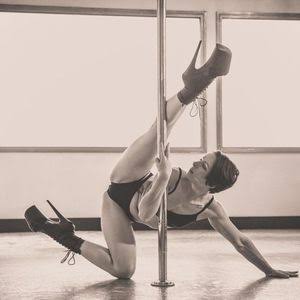
Iris Sparrow's Hot Knife workshop at PoleCon West 2026 is a welcome addition to the convention schedule, but it also raises a practical question our readers should consider before signing up: what does this skill require from your hands and your home setup? The Pole Convention's interview with her suggests a focused, technique-based session, which is exactly the kind of workshop athletes should seek out when they want to add a specific, repeatable skill to their training library. For anyone who has read our guide on Fueling Your Pole Training: A Coach's Guide to Smart Nutrition, the connection is clear: specialized workshops demand targeted energy and recovery planning. Similarly, our piece on Selecting a Pole Instructor Who Matches Your Training Goals highlights the importance of knowing what you want from a workshop before you register, and we think the same principle applies here.
Hot Knife is a specific movement pattern that depends on precise hand placement, controlled rotation, and the ability to manage momentum without relying on a full grip strength hold. That makes it a smart cross-training skill for any dancer who wants to improve their body awareness on a spinning pole or learn to transition smoothly between static and spinning modes. From a home-installation standpoint, this workshop raises an obvious point: if your pole's shifting or your ceiling height doesn't give you clean clearance for rotational moves, you may struggle to practice what you learn. The interview does not specify whether the workshop is taught on static or spinning poles, but given the nature of the move, we suspect a spinning setup will be the primary focus. If you are planning to attend, ask the convention or your studio which mode they will use, and if you train at home, verify that your pole's locking mechanism and base are secure enough for dynamic rotational work.
The value here is not just the novelty of the move itself but the chance to troubleshoot a technique with a live instructor who can spot your alignment and give corrections in real time. That is something no online tutorial can replicate, and it is why conventions like this one, covered in Pole Convention Brings Workshops and Performances to Phoenix This September, matter for serious athletes. Our opinion is that Hot Knife workshops are best approached as an intermediate-to-advanced addition rather than a beginner curiosity. If you have not yet mastered a solid backward shoulder mount or consistent handspring entries, this move will likely frustrate you and increase injury risk. Wait until your shoulders, wrists, and core endurance are ready. The clear takeaway for our readers: before you buy your pass, confirm your current skill level matches the workshop prerequisites, and if you train at home, make sure your pole height and floor padding can accommodate a controlled fall from a rotational failure. That attention to detail is what separates a smart training choice from a wasted session.