The article's piece on aerial fitness for beginners covers the essentials, but it stops short of what matters most for pole athletes specifically: the difference between trying an apparatus and committing to a practice. We'd argue that pole is not just another aerial option alongside silks or lyra; it's a distinct strength sport with its own demands for grip, spatial awareness, and progressive loading. For the adult who trains pole as fitness, this distinction is practical, not philosophical. It affects how you schedule your week, how you warm up, and how you choose between a static and spinning pole at home. As we've noted before, Pole Training as a Path to Emotional and Psychological Balance relies on consistent, injury-free sessions, which means you need to respect the learning curve rather than rush it.
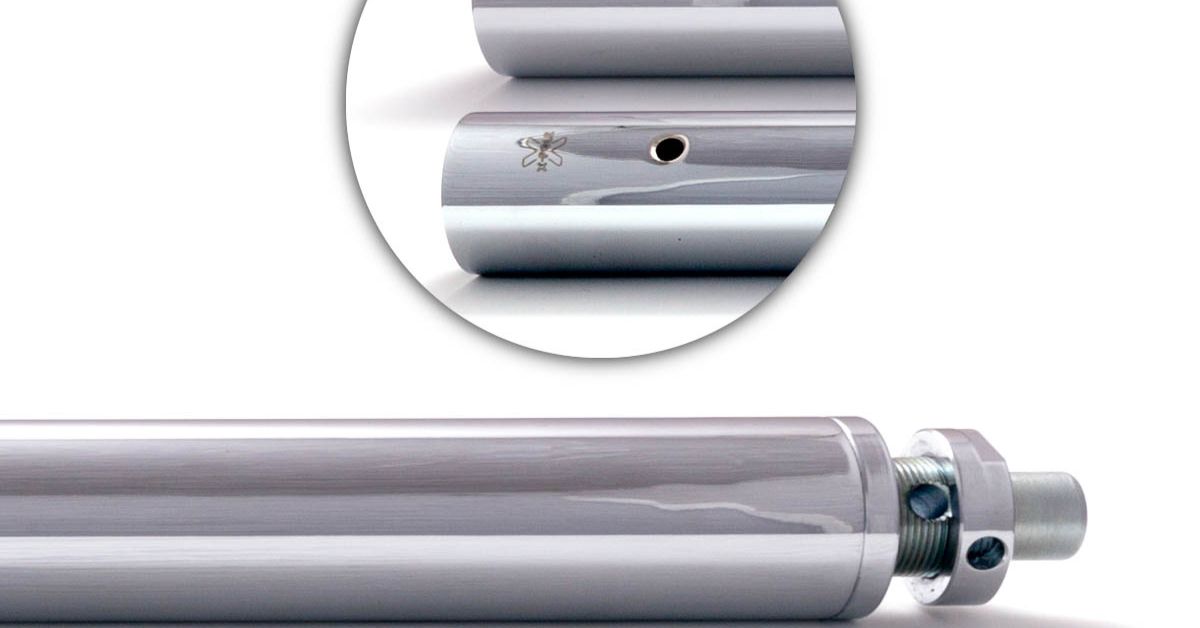
The summary's focus on "fun" and "gravity-defying moves" is true but incomplete. For a first-timer, the real takeaway is that every lift, spin, and hold is a negotiation with friction and leverage. You cannot muscle through a pole move; you must learn to align your body so your skin and hands do the work. That is why we recommend starting with a static pole before investing in a spinning one, even if the spinning option looks more dynamic. Static poles let you build the slow-twitch strength and callus tolerance you need, and they are safer for learning the mechanics of a basic climb or a sit. If you are setting up a home rig, read our guide on Design Your Home Pole Space for Safer, More Focused Practice, because ceiling height, floor type, and clearance around the pole matter more than brand loyalty. A spinning pole in a room with a sloped ceiling is a setup for a hard fall.
We also take issue with the article's implication that aerial fitness is a single category. Pole silks and hoop share vocabulary, but they train different muscle groups and injury patterns. Pole emphasizes vertical pulling and hip flexibility; silks demand more shoulder mobility and core compression. If you bounce between apparatuses without a plan, you risk overuse injuries that a focused pole program would avoid. This is why we believe the cultural rebranding of pole as "aerial fitness" has a downside: it dilutes the specific strength standards that pole athletes aim for, like a clean shoulder mount or a controlled invert. That said, the broader acceptance of pole as sport is welcome, and we have covered how Pole Athletes Are Reshaping an Art Form Once Misunderstood in ways that benefit every adult who trains seriously.
The most practical advice we can give a beginner is this: choose a studio with crash mats and an instructor who corrects hand placement, not just choreography. Then, when you train at home, film every new move from the side and compare it to a reference video. The article mentions "toning your body," but that understates the work. You will plateau, and you will need to deload, and you will have days when your grip gives out after ten minutes. That is normal. What matters is that you treat pole as a skill sport with a progression, not a drop-in class. Watch for how your shoulders feel during a climb; if you feel a pinch, you are shrugging your traps. That single cue, learned early, will save you months of rehab. The best next step is not another class; it is a five-minute daily hang from a pull-up bar to build the passive shoulder strength you will need before your first invert.