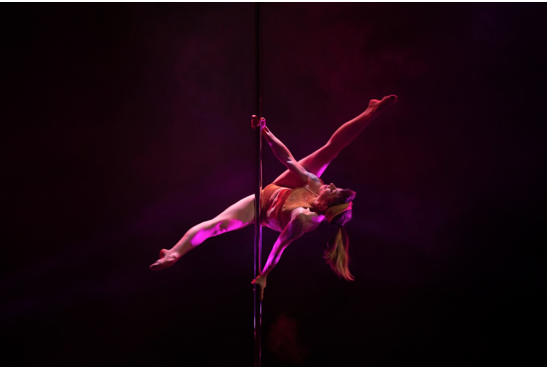
A Bond-themed fundraiser is a smart reminder that pole and aerial arts can carry a narrative without losing athletic credibility. The show at Ascendance Pole & Aerial Arts, sponsored by X-POLE, raised money while celebrating the physicality of its performers. What stands out is not the theme itself but the fact that a nonprofit studio used it to draw a packed theater. That is a practical lesson for any dancer or athlete who has ever wondered whether pole can hold its own in a broader performance context. It can, and it does, when the focus stays on technique and conditioning rather than spectacle.
For our readers, the takeaway is straightforward: themed shows are not a compromise of your training. They are a chance to apply the strength and control you build in practice to a structured, timed routine. If you train at a studio, consider proposing a charity showcase to your instructor. If you train at home, think about how you can adapt a song or character to your current skill level without sacrificing form. The Aerial Fitness: What Every First-Time Pole Athlete Should Know piece covers the basics of building that foundation, and a show like this proves that even advanced moves like fly pole work or Lyra transitions are best presented when the basics are rock solid.
What impresses us is the nonprofit model. Ascendance is one of the only 501c3 pole studios in the United States, which means their mission goes beyond selling classes. That should matter to you as an athlete because it affects the culture of the space you train in. A studio that runs on community support is more likely to prioritize safe instruction, proper equipment, and accessible programming. If you are setting up a pole at home, this also reinforces the importance of investing in quality gear and clear safety protocols. The Design Your Home Pole Space for Safer, More Focused Practice article goes into the specifics of ceiling height, load limits, and mat placement, all of which matter just as much in a performance as they do in daily training. A show does not excuse a loose screw or a spinning pole set to the wrong tension.
The Bond theme also highlights something about emotional balance in training. Performing in front of a crowd, even a supportive one, is a different skill than drilling in a studio. The Pole Training as a Path to Emotional and Psychological Balance article discusses how consistent practice builds mental resilience. A themed fundraiser accelerates that by giving you a deadline, a role, and a reason to push past self-consciousness. You are not just moving on a pole; you are solving a movement problem under pressure.
Our specific concern is whether the nonprofit model can sustain this kind of event without burning out its performers. A dozen acts is a lot of choreography for a small studio. Watch how Ascendance handles its next five years, especially whether it documents the training load and injury rates of its show participants. That data would be more valuable than any Bond reference. For now, the concrete takeaway is this: if you are an athlete, look for or create a low-stakes charity showcase in your area. It will test your grip, your memory, and your composure, and it will make your home or studio practice feel more purposeful. That is how you grow, not by avoiding the stage, but by treating it as another piece of equipment to master.