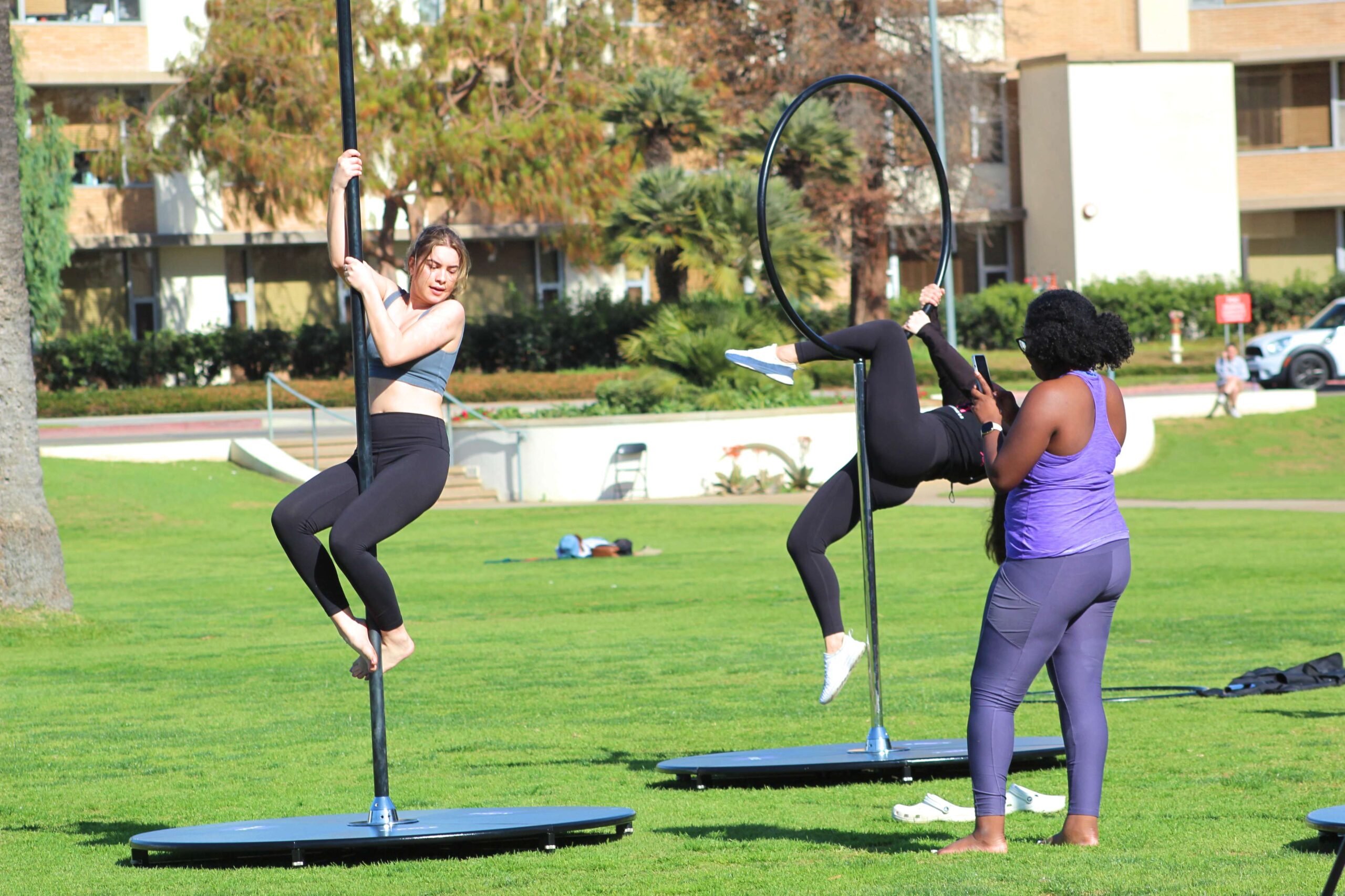
We think the article's central claim, that a home pole is a smart cross-training tool for any athlete, is correct, but it stops short of the practical specifics that matter most to dancers and athletes who train seriously. The piece correctly notes that pole provides a full-body workout engaging arms, shoulders, back, core, and legs, and it positions this as a reason to buy a home pole. That is a solid starting point, but for someone setting up a home rig, the real questions are about installation, equipment choice, and how to integrate that work into an existing training regimen without injury. Our related coverage on Aerial Fitness: What Every First-Time Pole Athlete Should Know addresses exactly these entry-level concerns, and Pole Training as a Path to Emotional and Psychological Balance adds a layer about the mental discipline involved, which the article ignores entirely.
For the athlete considering a home pole, the equipment decision is more consequential than the article suggests. A static pole is better for building pure strength and nailing precise technique in holds and poses, while a spinning pole challenges dynamic control and rotational stability, each trains different movement patterns. Height matters too: a pole that is too short for your ceiling limits transitions and poses like handsprings, while an improperly installed tension-mounted pole in a space with dropped ceilings can fail catastrophically. The article mentions purchasing a "pole dance pole" without addressing these distinctions, which feels like an omission. Our piece on Bond-Themed Fundraiser Showcases Pole and Aerial Artistry for Charity demonstrated how trained pole athletes execute complex choreography in a performance setting, that level of control requires specific equipment choices and safe installation, not just any pole. A dancer or athlete should prioritize a reputable brand with a load rating exceeding their body weight, check their ceiling type (wood joist vs. concrete slab), and always use a rubber mat beneath the pole to protect flooring and absorb shock from drops.
The article also misses a practical consequence for athletes who engage in pole purely for cross-training: grip management. Pole requires skin friction and dry hands, which can clash with other sports that depend on sweaty grip strength or calloused palms. You will need to adjust your callus care routine, wash chalk off your hands between sessions, and time your pole work so it does not interfere with recovery from lifting or climbing. These are small but concrete details that make the difference between a smart addition to your regimen and an injury setback. The takeaway here is direct: before you buy a home pole, measure your ceiling height, decide whether you need static or spinning (or both), and run a load test on your installation point with a professional if you have any doubt. The equipment is the foundation, and the article's enthusiasm for full-body benefits should not replace that groundwork.